
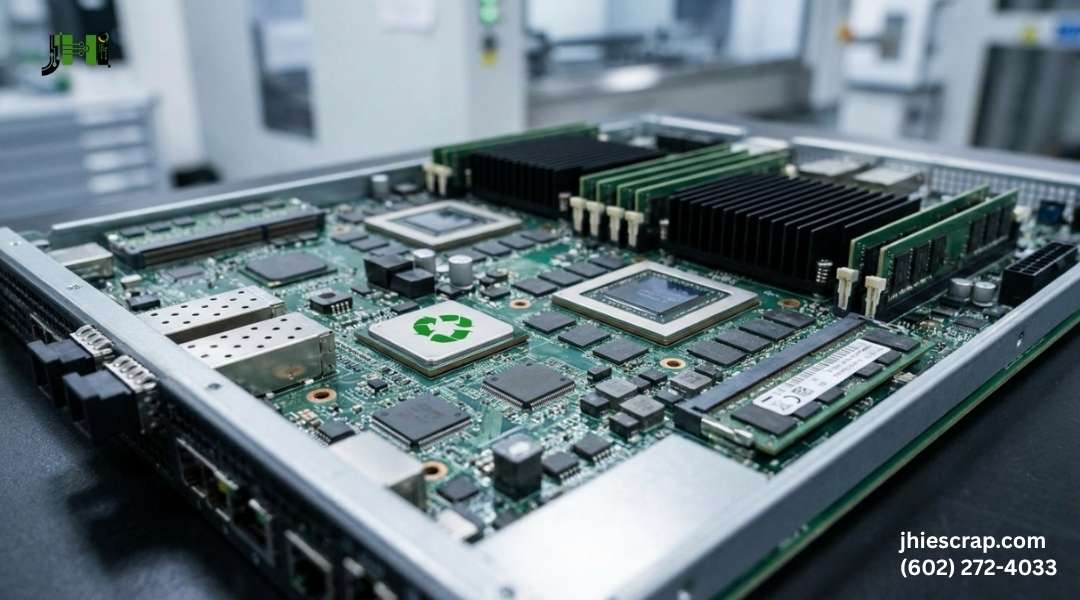
What Are High Speed Electronics? Meaning, Examples, Uses, and Recycling Value
Most people throw away electronics without knowing they still hold value. That old router in the closet? The dusty server in the back room? They might be worth real money.
High speed electronics are systems built to handle very fast digital signals. Think servers, routers, telecom gear, radar systems, and the circuit boards inside them. These aren’t just regular gadgets. They run on precision timing and advanced design.
Here’s the thing most folks miss. One company’s obsolete hardware can become another company’s critical resource. And a lot of this gear holds gold, copper, and other recoverable materials inside.
If you’re in Phoenix, AZ, this matters even more. Local businesses sit on piles of surplus electronics every year. Some sell it. Some recycle it. The smart ones do both.
Let’s break it all down.
What Does “High Speed Electronics” Mean?
The term “high speed” sounds like it’s about fast internet. It’s not. In electronics, high speed refers to how signals behave inside a circuit, not how quick your Wi-Fi feels.
When signals move fast enough, the rules change. Tiny delays start causing big problems. Wires stop acting like simple wires. Engineers have to design with extra care.
That’s the heart of it. Speed changes behavior. Frequency changes repetition.
Simple Definition of High Speed Electronics
High speed electronics are devices and circuits built to move data signals very quickly without losing accuracy.
Think of them like traffic moving through a crowded freeway. Everything has to flow in perfect order, or the whole system jams up.
You see them in:
- Smartphones
- Servers
- Routers
- Network switches
- Modern computers
If a device sends or receives lots of data fast, high speed electronics are inside.
Technical Definition of High Speed Electronics
A circuit becomes “high speed” when signal timing starts affecting electrical behavior. That’s the engineering line in the sand.
At low speeds, circuits act predictably. At high speeds, physics starts fighting back. Signals reflect, distort, and interfere with each other.
Key technical traits include:
- Fast signal edge rates
- Tight timing control
- Controlled impedance traces
- Careful PCB layout
- Strong shielding against noise
These designs handle propagation delay, signal integrity, and transmission line effects. That’s what separates a regular board from a high speed PCB.
High Speed Electronics vs. High Frequency Electronics
People mix these up all the time. They’re related, but not the same.
| Feature | High Speed Electronics | High Frequency Electronics |
|---|---|---|
| Focus | Signal timing and edges | Oscillation rate |
| Common Use | Digital systems, processors | RF, wireless, radar |
| Main Concern | Timing accuracy | Frequency stability |
| Example | Server motherboards | 5G antennas |
One measures repetition. The other measures reaction. Both can overlap in modern systems like 5G hardware, but the design challenges are different.
How Do High Speed Electronics Work?
High speed systems work by moving signals through carefully designed paths at incredible speeds. The trick isn’t just going fast. It’s keeping signals clean while they travel.
What happens when signals arrive even a fraction of a second late? Data gets corrupted. Systems fail. At high speed, tiny mistakes become major failures.
Here’s how it all comes together.
Signals Move Through Conductive Paths
Signals travel along copper traces on circuit boards. Picture them like roads carved into a flat surface. Each trace carries electrical pulses from one component to another.
But here’s a surprise. Electricity doesn’t move instantly. It travels at a measurable speed, almost as fast as light, but not quite.
Signals behave more like moving traffic than magic electricity. The longer the road, the longer the trip. Engineers plan every path to keep things synced.
Timing Becomes Critical
In regular electronics, small delays don’t matter. In high speed electronics, delays can destroy communication.
A signal arriving picoseconds late can corrupt data. That’s a trillionth of a second.
Common timing issues include:
- Propagation delay between chips
- Clock signal skew
- Mismatched trace lengths
- Setup and hold time errors
This is why engineers obsess over timing diagrams. One late signal can crash a whole system.
PCB Traces Become Transmission Lines
Once signals get fast enough, traces stop acting like simple wires. They start behaving like transmission lines, kind of like the cables that carry TV signals.
At high speed, even a few inches of copper can behave like a communication channel. Reflections bounce back. Signals interfere with each other.
That’s why high speed PCBs need controlled impedance traces, careful trace length matching, and multilayer designs. These tricks keep signals stable and clean.
Why Are High Speed Electronics Important?
Without high speed electronics, modern digital life slows to a crawl. They power almost everything we use daily.
They make the internet feel instant. They keep medical scanners accurate. They run the AI tools we now depend on. They’re the nervous system behind modern technology.
Here’s why they matter so much.
Faster Data Transfer
People expect instant loading now. Web pages, video calls, cloud apps, all of it needs to work in real time.
High speed electronics make that possible. They cut latency, push more data per second, and keep modern networks running smoothly.
You’ll find them in:
- Telecom network equipment
- High speed routers
- Fiber optic transmitters
- Enterprise switches
Without them, the modern web wouldn’t exist.
Better Real-Time Processing
Some systems can’t afford even a slight delay. Medical imaging, radar, automotive safety, and industrial automation all rely on instant processing.
When systems react instantly, people rarely notice. When they fail, everyone notices.
High speed electronics handle these life-critical jobs every second of every day. They process signals, run safety checks, and make split-second decisions in machines we trust with our lives.
Support for Modern Technology
AI, cloud computing, smart cars, smart factories. None of it works without high speed electronics.
Data centers run on them. AI hardware depends on them. 5G networks couldn’t exist without them.
Examples include:
- AI server racks
- Cloud computing hardware
- Smart device electronics
- Autonomous vehicle systems
High speed electronics are the engine room of modern innovation. As technology gets faster and smarter, demand only grows.
Common Examples of High Speed Electronics
Most people use high speed electronics every day without realizing it. They’re inside the gear that powers homes, offices, factories, and hospitals.
These systems form the digital backbone of modern communication. Let’s look at the most common types.
Network and Data Equipment
Every email, video call, and cloud upload depends on high speed networking hardware. This category includes the gear that moves data across the internet.
Common examples:
- Network routers
- Network switches
- Servers
- Telecom equipment
- Fiber optic systems
Enterprise-grade gear often holds higher resale value than consumer devices. Many businesses upgrade these systems regularly, leaving valuable surplus behind.
Circuit Boards and Electronic Components
Inside almost every high speed device sits a circuit board packed with components. These boards act like miniature cities filled with moving digital traffic.
Key parts include:
- Multilayer PCBs
- Processors and chipsets
- Memory chips
- High speed connectors
- Semiconductor components
Many high-end boards contain gold-plated connectors, specialized ICs, and other materials worth recovering. That makes them valuable even when the device is outdated.
RF, Microwave, and Communication Equipment
Without RF systems, wireless communication simply stops working. These devices handle radio frequency signals used in phones, radios, and modern wireless networks.
Examples include:
- 5G base station hardware
- Microwave transmitters
- Wireless communication modules
- Communication amplifiers
- RF filters and oscillators
5G infrastructure especially leans on RF and microwave electronics. As networks expand, older gear gets replaced and enters the surplus market.
Optical and Laser Equipment
Some high speed systems move information using pulses of light instead of electricity. That’s the magic of fiber optics and photonics.
Common gear includes:
- Fiber optic transmitters
- Laser modules
- Optical switches
- Photonics test systems
Light-based systems carry massive amounts of data with very low loss. They power undersea cables and big data networks.
Test and Measurement Equipment
When signals move too fast for the human eye, engineers rely on precision instruments to see the invisible.
Test gear includes:
- Oscilloscopes
- Spectrum analyzers
- Signal analyzers
- Network analyzers
- Logic analyzers
High-end oscilloscopes and RF analyzers often hold strong resale value, even years after they’re considered obsolete. Labs, universities, and small shops buy used gear all the time.
Key Design Challenges in High Speed Electronics
At high speed, tiny electrical problems become system-wide failures. Designing this gear is like managing traffic during rush hour. Every signal, every wire, every chip has to play its part.
Here are the biggest challenges engineers face.
Signal Integrity
Signal integrity is all about keeping signals clean from start to finish. A signal may look perfect at low speed but collapse completely at high speed.
Common problems:
- Signal reflections
- Crosstalk between traces
- Distortion
- Noise interference
As data rates climb, these issues get worse fast. Good designs use controlled trace routing, proper grounding, and shielding to keep signals strong.
Impedance Control
Impedance is the resistance signals face as they travel. If it changes suddenly, signals bounce back and cause errors.
When impedance changes suddenly, signals behave like water slamming into a closed pipe.
Engineers use:
- Controlled impedance traces
- Matched trace widths
- Multilayer board designs
- Careful via placement
Getting impedance right keeps signals smooth and reliable.
Power Integrity
Even powerful processors fail when power delivery becomes unstable. Power integrity is about giving every chip clean, steady power.
Common challenges:
- Voltage drops
- Power supply noise
- Ripple effects
- Ground bounce
Designers add decoupling capacitors and use careful power plane layouts. The goal is steady voltage no matter how busy the circuit gets.
Electromagnetic Interference and EMC
Electronic interference spreads like unwanted background noise during a phone call. High speed devices both create and pick up interference.
Engineers must manage:
- EMI emissions
- EMC compliance
- Electromagnetic shielding
- Filter design
Poorly shielded systems can mess with nearby devices. That’s why testing and shielding are huge parts of high speed design.
Thermal Management
The faster electronics move, the more heat they create. And rising temperatures change electrical behavior, which creates more problems.
Cooling methods include:
- Heat sinks
- Cooling fans
- Liquid cooling
- Thermal pads
- Vapor chambers
Without good thermal design, even top-tier gear overheats and fails early.
Where Are High Speed Electronics Used?
High speed electronics quietly power the systems people rely on every day. They form the invisible backbone of modern infrastructure.
From phones to factories, these systems run the show. Here’s where they show up most.
Telecommunications and 5G
5G networks demand electronics that process huge amounts of data instantly. Every cell tower, switching center, and antenna depends on high speed gear.
Telecom uses include:
- 5G base stations
- Fiber backhaul equipment
- Wireless network electronics
- Cellular communication modules
As carriers upgrade networks, older telecom gear floods the surplus market. A lot of it still works perfectly.
Data Centers and Cloud Computing
Data centers act like the digital engine rooms of the internet. Every cloud app, video stream, and AI request runs through them.
Common gear includes:
- Server racks
- High performance computing systems
- Network switches and routers
- AI server hardware
- GPU infrastructure
Enterprise data centers refresh hardware on tight cycles. That creates a steady flow of surplus servers, switches, and accessories.
Aerospace, Defense, and Radar
In aerospace systems, even microscopic delays can create major operational risks. That’s why mission-critical industries rely heavily on high speed electronics.
Applications include:
- Radar communication systems
- Aviation electronics
- Defense communication gear
- Satellite electronics
Radar and defense systems depend on timing accuracy measured in nanoseconds. The reliability bar is sky-high.
Medical Imaging
Patients may never see the electronics behind a scan, but they rely on them every day. Medical imaging systems process huge amounts of data in real time to produce clear pictures of the body.
Common uses:
- MRI electronics
- CT scan systems
- Ultrasound machines
- Medical signal processing units
Speed matters here. Faster processing means quicker diagnoses and better care.
Automotive Electronics
Modern vehicles process thousands of electronic signals every second. Cars today are basically computers on wheels.
Examples:
- ADAS systems
- EV control systems
- Vehicle communication modules
- Autonomous driving sensors
- Infotainment systems
As EVs and self-driving tech grow, automotive high speed electronics become more important than ever.
Industrial Automation
Industrial automation systems operate like a perfectly timed orchestra. Robots, sensors, and controllers all need to sync perfectly.
Common uses:
- PLC systems
- Robotics controllers
- Machine vision systems
- Manufacturing communication modules
Factories depend on this gear to keep production lines running. When systems upgrade, surplus electronics move to the resale and recycling market.
Are High Speed Electronics Valuable as Surplus or E-Scrap?
Old electronics may still hold surprising value. What if obsolete equipment could still generate return for your business?
The truth is, high speed electronics often hold value long after they leave active service. Some can be resold. Others get recycled for the materials inside.
Here’s what you need to know.
Some Equipment Has Resale Value
Obsolete for one company does not mean useless for another. Plenty of buyers look for used high speed electronics every day.
Common resale items include:
- Used oscilloscopes
- Telecom switches and routers
- Spectrum analyzers
- Test and measurement gear
- Server hardware
Schools, smaller companies, repair shops, and overseas buyers often want this gear. Selling instead of scrapping can recover real money.
Circuit Boards and Components May Contain Recoverable Materials
Many circuit boards contain hidden material value beneath their surface. High-grade boards often hold:
- Gold
- Copper
- Silver
- Palladium
- Aluminum
- Tin
Specialized recyclers extract these metals through careful processing. The higher the board’s quality, the more material value it holds. Telecom, server, and RF boards usually grade higher than consumer electronics.
Obsolete Does Not Always Mean Worthless
One company’s scrap can become another company’s solution. Legacy telecom and industrial systems often stay valuable because replacement parts get harder to find over time.
A factory running an older control system might pay good money for matching surplus parts. Same goes for repair shops keeping older hardware alive.
Before tossing anything, get it evaluated. You might be sitting on a small payday.
How to Recycle or Sell High Speed Electronics in Phoenix, AZ
Throwing electronics away can create security and environmental risks. The right recycling partner helps protect both your data and your equipment value.
If your business has surplus or scrap high speed electronics in Phoenix, here’s a simple step-by-step plan.
Step 1: Identify the Equipment
Many businesses throw away valuable hardware simply because they don’t recognize what they have. Start by making a quick inventory list.
Check for:
- Equipment labels
- Model numbers
- Brand names
- Year of manufacture
- Original purpose
Group items into categories like servers, networking gear, test equipment, and circuit boards. This makes the next steps much easier.
Step 2: Separate Working Surplus from Scrap
A working system may be worth far more than its scrap metal value. Sort your gear into two piles.
Working surplus:
- Powers on
- Has all major parts
- Can be tested
- Has resale demand
Scrap or e-waste:
- Damaged
- Missing parts
- Outdated beyond use
- Only valuable for materials
This sorting step often surprises people. Working telecom gear, oscilloscopes, and analyzers can fetch much more through resale than recycling.
Step 3: Protect Data
Most businesses worry about where their sensitive data ends up after disposal. And they should.
Before sending anything out, do this:
- Wipe all hard drives
- Remove storage media
- Destroy drives that held sensitive info
- Keep records of what was destroyed
- Use certified data destruction when needed
A good recycling partner can help with secure data destruction services. This protects both your business and your customers.
Step 4: Work With an Electronics Recycling or Surplus Buyer
The right recycling partner helps turn complicated disposal into a simple process. Look for a Phoenix-based company that offers:
- Surplus equipment evaluation
- Certified recycling processes
- Secure data handling
- Pickup and logistics support
- Fair resale offers
JHI Scrap handles all of this for businesses across Phoenix, AZ. They evaluate surplus, recycle responsibly, and help you recover value safely.
A trusted local partner makes the whole process easier and more profitable.
High Speed Electronics vs. Regular Electronics
Regular electronics tolerate delays. High speed electronics depend on precision. That’s the core difference.
Both types power our daily lives. But they’re built differently, behave differently, and need different care.
Main Differences Between Regular and High Speed Electronics
| Feature | Regular Electronics | High Speed Electronics |
|---|---|---|
| Signal Speed | Slower, simple timing | Very fast, tight timing |
| Design Focus | Basic functionality | Signal integrity, EMI, thermal control |
| PCB Design | Simple traces | Controlled impedance, multilayer boards |
| Components | Standard parts | High performance ICs, RF modules |
| Use Cases | Toys, basic appliances | Servers, telecom, radar |
| Recycling Value | Lower | Higher |
Regular circuits move data. High speed circuits manage timing, noise, heat, and signal behavior at the same time. Engineers often classify a system as “high speed” based on signal edge rates rather than clock frequency alone.
Why High Speed Electronics Require Special Handling
Improper handling can turn valuable equipment into worthless scrap. High speed gear is more sensitive than regular electronics in almost every way.
Handling concerns include:
- Static discharge protection
- Shock and vibration during transport
- Moisture protection
- Proper packaging
- Avoiding port and connector damage
High-frequency boards, RF systems, and optical equipment can lose resale value fast if damaged. That’s why working with a recycling partner who knows the difference matters so much.
Frequently Asked Questions About High Speed Electronics
Many people assume high speed electronics are only used in big data centers. In reality, they exist in many everyday technologies.
Here are quick answers to the most common questions.
What are high speed electronics in simple words?
High speed electronics are electronic systems designed to process very fast signals. They handle huge amounts of data quickly and accurately.
Think of them like high-speed digital highways for information. They power servers, routers, smartphones, and the systems behind modern internet, AI, and communication tools.
What makes a circuit high speed?
A circuit becomes high speed when signal timing starts affecting performance. It’s not just about fast clocks. It’s about how signals behave as they move through the board.
Edge rate, propagation delay, and signal timing matter most. Once these factors start changing how a circuit acts, engineers treat it as a high speed design.
Are high speed electronics the same as high frequency electronics?
Not exactly. They’re related, but not identical.
Frequency measures repetition. Speed measures timing sensitivity.
High frequency electronics focus on how often a signal repeats, like in RF and wireless gear. High speed electronics focus on signal edges and timing, like in digital systems and processors. Some modern devices, like 5G hardware, use both.
What are examples of high speed electronic components?
Common high speed components include:
- Processors and ICs
- Memory chips
- RF modules
- High speed connectors
- Transceivers
- Multilayer PCBs
These components work together like a synchronized digital ecosystem. You’ll find them in servers, telecom gear, and advanced consumer electronics.
Can high speed electronics be recycled?
Yes. High speed electronics can be recycled, and many of them should be.
Many systems still hold value even after businesses stop using them. Some qualify for resale. Others get processed for the gold, copper, and other metals inside. A certified e-waste recycler handles both paths properly.
Where can I recycle high speed electronics in Phoenix, AZ?
You can recycle high speed electronics in Phoenix, AZ through certified local recyclers like JHI Scrap.
Look for a partner that offers:
- Secure data handling
- Surplus equipment evaluation
- Pickup services
- Certified recycling processes
- Fair pricing for resale-grade gear
Phoenix businesses often overlook how much recoverable value sits inside older electronic systems. A good recycler helps you find it.
Final Thoughts: High Speed Electronics Have Technical and Recycling Value
Technology moves fast, but value does not always disappear with age. High speed electronics power our modern world, and they hold real worth long after they leave active service.
These systems run telecom networks, data centers, hospitals, factories, and vehicles. They’re built with care, packed with valuable materials, and designed for precision. That’s why they deserve smart handling at the end of their lifecycle.
Whether you have surplus gear, scrap boards, or full racks of retired equipment, there’s almost always value to recover. The smartest companies know when to upgrade and when to recover value from older systems.
If you’re in Phoenix, AZ, and sitting on surplus or scrap high speed electronics, don’t toss it. Get it evaluated first. JHI Scrap helps Phoenix businesses recover value from used electronics, protect sensitive data, and recycle responsibly.
Reach out today and turn old electronics into a smarter return.