
Is Electronics a Heavy Industry? The Real Answer (Plus What It Means for Your Old Equipment)
So, where does electronics really fit in the world of manufacturing? It’s a fair question. The products feel small. The factories don’t look like steel mills. Yet the supply chain behind them spans the globe.
Here’s the short version. Electronics is usually considered a light or high-tech manufacturing industry, not a traditional heavy industry. Some parts of the ecosystem (like chip fabrication and data centers) do operate at an industrial scale. But the industry itself? It’s built on precision, not raw bulk.
Small products. Massive infrastructure. The deeper you look, the more industrial the picture becomes.
In this guide, we’ll break down where electronics actually fits, why the line gets blurry, and what it all means when your business needs to deal with old or surplus equipment.
What Is Heavy Industry?
Before we sort electronics into a category, let’s get clear on what “heavy industry” really means. Think steel plants, oil refineries, and giant construction equipment. These industries build the infrastructure that runs the modern world.
Heavy Industry Definition
Heavy industry is the backbone of large-scale manufacturing. It involves big machinery, bulk raw materials, and huge energy use. These factories produce massive products or process raw resources at industrial scale.
In plain terms? If a sector needs giant facilities, heavy equipment, and tons of energy to turn raw materials into something useful, it counts as heavy industry.
Common Examples of Heavy Industry
You probably recognize most of these:
- Steel manufacturing
- Mining operations
- Oil refineries
- Shipbuilding
- Cement production
- Heavy construction equipment
These industries build infrastructure, not smartphones. They move tons of material. They run massive plants. And they shape the physical world around us.
Key Characteristics of Heavy Industry
What separates heavy industry from lighter sectors? A few clear traits:
- Large machinery running production
- High energy use across operations
- Bulk raw materials like ore, oil, or stone
- Industrial-scale facilities that often span acres
You wouldn’t call a smartphone factory the same as a steel mill, right? That’s the gap we’re talking about.
What Is Light Industry?
Now let’s flip the lens. A clothing factory and a steel mill don’t operate the same way. Neither does an electronics assembly plant. Light industry is where most consumer products come from, and it’s where electronics manufacturing usually lives.
Light Industry Definition
Light industry focuses more on precision and consumer products than giant industrial infrastructure. It uses smaller facilities, less energy, and labor that’s often more skilled than brute-force.
Think electronics, clothing, food products, and household goods. These factories make things people use every day, without the massive scale of heavy industrial sites.
Common Examples of Light Industry
Here are sectors most folks know well:
- Electronics manufacturing
- Clothing production
- Furniture manufacturing
- Cosmetics production
- Packaged food manufacturing
- Small appliance assembly
Heavy industry builds infrastructure. Light industry builds products people use every day.
How Light Industry Differs From Heavy Industry
The difference usually comes down to scale, materials, and production systems. Here’s a quick side-by-side:
| Heavy Industry | Light Industry |
|---|---|
| Large machinery | Smaller equipment |
| Raw material processing | Consumer product assembly |
| Massive infrastructure | Compact manufacturing |
| High energy use | Lower energy demand |
| Bulk outputs | Precision outputs |
One industry moves steel. The other moves circuit boards. Same manufacturing world, very different scale.
Is Electronics Considered a Heavy Industry?
Time for the main answer. Electronics may power massive industrial systems, but that doesn’t automatically make the whole industry “heavy.”
The Short Answer
Electronics is usually considered a light or high-tech manufacturing industry, not traditional heavy industry. It focuses on precision assembly, smaller products, and skilled production rather than the bulk processing that defines heavy sectors like steel or oil.
That’s the clean answer most industry classifications agree on.
Why Electronics Is Usually Not Heavy Industry
A few clear reasons separate electronics from heavy industry:
- Smaller products like phones, laptops, and circuit boards
- Precision assembly instead of bulk processing
- Lower raw material intensity compared to steel or cement
- Consumer-oriented production rather than industrial infrastructure
Building smartphones is very different from operating a steel refinery, isn’t it? The energy use is lower. The materials are lighter. The output fits in your pocket, not on a freight train.
Why Electronics Is Often Classified as Light or High-Tech Manufacturing
Electronics manufacturing runs on precision, not raw industrial mass. That’s why most economic classifications place it under light manufacturing or high-tech production.
The sector covers things like:
- Semiconductor fabrication
- PCB (printed circuit board) assembly
- Consumer electronics production
- Automation systems and controls
- Medical and networking electronics
Tiny components. Billion-dollar infrastructure. The products may fit in your hand, but the supply chain spans the globe. So while it’s high-tech and industrial in scope, it’s still classified separately from heavy industry.
Where the Electronics Industry Fits in Manufacturing
Electronics manufacturing touches nearly every modern industry. From the phones in our pockets to the servers running cloud services, this sector is woven into daily life and global business.
Let’s look at where it actually sits in the manufacturing ecosystem.
Electronics Manufacturing
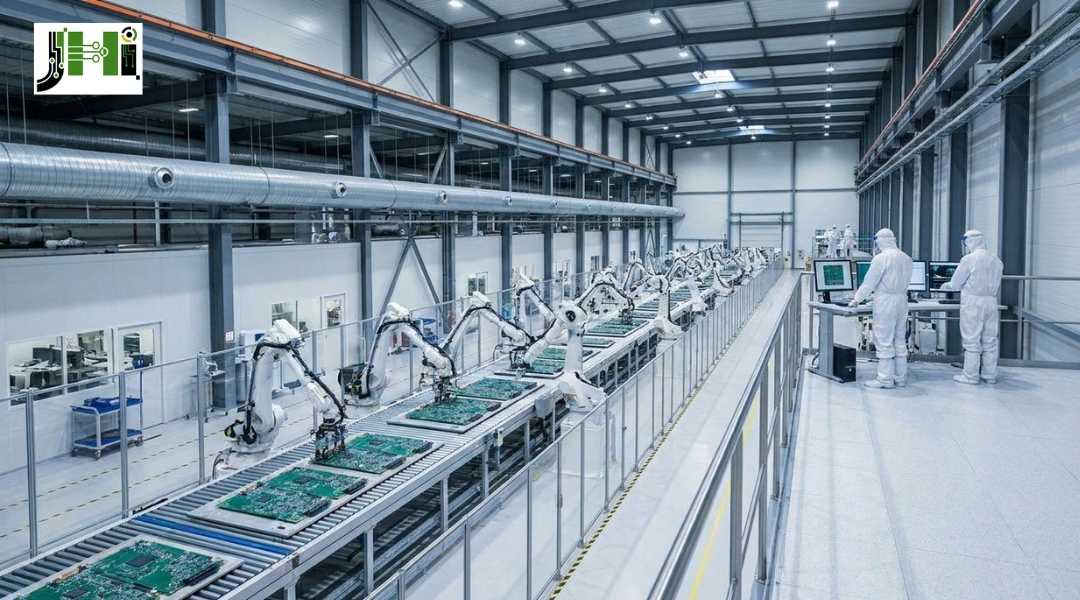
Modern electronics factories look more like precision labs than traditional assembly plants. They focus on tiny components, careful assembly, and tight quality control.
Common processes include:
- PCB assembly for circuit boards
- Chip production in clean rooms
- Automated testing systems
- Robotic assembly lines
Tiny chips. Massive production systems. The work happens at a scale most people never see, but it powers almost every device you own.
Computer and Electronic Product Manufacturing
This is the official manufacturing category most electronics fall under. It covers a wide range of products:
- Computers and laptops
- Communication equipment
- Medical electronics
- Networking hardware
- Semiconductor devices
- Industrial computing systems
The products may be compact, but the manufacturing ecosystem behind them is enormous. Government and industry classifications group these together because they share similar production methods, materials, and skill requirements.
Consumer Electronics vs Industrial Electronics
Not all electronics are the same. There’s a big difference between the gadgets people buy and the systems that run factories.
| Consumer Electronics | Industrial Electronics |
|---|---|
| Smartphones | PLC systems |
| TVs | Factory control systems |
| Gaming devices | Industrial automation |
| Home computers | Server infrastructure |
One powers homes. The other powers factories. Consumer electronics entertain people. Industrial electronics keep production moving. Different environments. Different risks. Different recycling needs.
When Electronics Can Overlap With Heavy Industry
Here’s where things get interesting. The devices may be small, but the infrastructure behind them can rival massive industrial operations. Electronics itself isn’t heavy industry, but parts of the ecosystem definitely connect to it.
Let’s look at three big overlap zones.
Semiconductor Manufacturing
Tiny chips require enormous infrastructure. Semiconductor plants (often called “fabs”) operate more like scientific industrial complexes than simple factories.
What goes on inside:
- Clean rooms with strict air controls
- Wafer fabrication at microscopic precision
- Heavy water and energy use for production
- Industrial-scale chemical handling
Small products. Billion-dollar production environments. A modern fab can cost over $10 billion to build. That’s industrial scale by any measure, even though the output is precision chips.
Industrial Electronics and Factory Equipment
Factories may look mechanical on the outside, but modern production runs on electronics behind the scenes. These systems quietly power heavy industry itself.
Common industrial electronics include:
- PLC (programmable logic controller) systems
- SCADA control panels
- Automation sensors
- Robotics systems
- Manufacturing controls
So while electronics manufacturing isn’t heavy industry, electronics often run the factories that are. It’s a tight, two-way relationship.
Large-Scale Servers and Data Center Hardware
A smartphone fits in your hand. A data center fills entire buildings. Enterprise hardware operates at a scale most people never see.
Modern data centers contain:
- Server racks and storage arrays
- Networking systems
- Cloud infrastructure hardware
- Industrial cooling and power systems
The bigger the infrastructure, the bigger the recycling challenge. Enterprise electronics may become industrial-scale e-waste faster than most businesses expect, which brings us to the next big topic.
Electronics, E-Waste, and Industrial Scrap
What looks like outdated equipment could still contain recoverable value. That’s the part most businesses miss. Electronics don’t just disappear when they stop working. They become waste, scrap, or recovery opportunities.
Let’s break it down.
What Is Electronic Scrap?
Electronic scrap (often called “e-scrap”) is any unwanted or end-of-life electronic device. Most people think of phones and laptops. But the category is much bigger:
- Servers and networking gear
- PLC systems
- Industrial control boards
- Outdated automation systems
- Office computers and monitors
That outdated server may still contain valuable recoverable metals. Old electronics are rarely just “junk.” What happens when industrial electronics reach end-of-life? They usually become candidates for recycling, recovery, or resale.
Why Industrial Electronics Become E-Waste
Industrial electronics don’t last forever. Even rugged equipment eventually becomes obsolete. Most businesses don’t think about recycling until outdated equipment starts taking over storage rooms.
Common reasons for replacement:
- Outdated technology that no longer meets needs
- Failed hardware beyond repair
- Infrastructure upgrades across the operation
- Automation replacements for newer systems
- Compliance changes forcing newer gear
When that happens, the old equipment needs to go somewhere. Responsible recycling is almost always the better path.
Valuable Materials Found in Electronic Scrap
Here’s the surprise most businesses miss. What looks obsolete may still hold real value.
Electronic scrap often contains:
- Gold (in connectors and chips)
- Copper (in wiring and components)
- Silver (in contacts)
- Aluminum (in housings and parts)
- Rare earth materials (in advanced electronics)
Old electronics create waste, but they also create recovery opportunities. One company’s outdated hardware can become another company’s recoverable resource stream. That’s why pro recyclers focus on asset recovery as much as disposal.
Why Electronics Recycling Matters
The longer electronics sit unused, the more value and recoverable materials businesses lose. Responsible recycling isn’t just good ethics. It’s smart operations.
Here’s why it matters.
Environmental Protection
What happens when hazardous electronics end up in landfills? Toxic materials leak. Resources get wasted. Communities pay the price.
Proper electronics recycling helps:
- Reduce landfill pressure
- Prevent toxic pollution
- Conserve raw materials
- Keep hazardous waste out of soil and water
Responsible recycling protects both businesses and communities. The goal isn’t just disposal. It’s damage prevention.
Precious Metal Recovery
Old electronics may stop working, but the materials inside them can still hold value. Certified recyclers can recover real money from what looks like junk.
Common recoverable metals:
- Gold
- Copper
- Silver
- Palladium
- Aluminum
These materials get pulled, refined, and sent back into manufacturing. That cycle reduces mining demand and turns scrap into resources. It’s a win for businesses and the planet.
Safe Handling of Hazardous Materials
Throwing electronics away is easy. Handling them safely is the real challenge. Modern electronics contain advanced technology and sometimes hazardous materials too.
Things that need careful handling:
- Lead in older boards
- Mercury in some displays
- Lithium batteries
- Industrial capacitors
Responsible recycling protects both people and the environment. Certified recyclers follow strict rules so nothing dangerous slips through.
Heavy Industry vs Electronics Industry
By now, the picture should be clear. One industry builds massive infrastructure. The other builds precision technology. Let’s lock in the differences side-by-side.
Product Size and Weight
A server rack is large, but it still isn’t a steel refinery. Heavy industry moves tons of raw material. Electronics manufacturing moves precision components.
| Heavy Industry | Electronics Industry |
|---|---|
| Steel beams | Smartphones |
| Construction machinery | Circuit boards |
| Industrial engines | Computer chips |
| Bulk production materials | Precision components |
The scale gap is hard to miss once you see it laid out.
Machinery and Production Process
How products get made tells you a lot. Heavy industry relies on brute-force production. Electronics manufacturing relies on precision and automation.
Common production tools by industry:
| Heavy Industry | Electronics Industry |
|---|---|
| Blast furnaces | Robotic PCB assembly |
| Industrial presses | Automated testing |
| Heavy machining | Pick-and-place machines |
| Bulk material handling | Clean-room fabrication |
Both are advanced. But they solve very different problems with very different tools.
Raw Materials and Finished Products
What goes in shapes what comes out. Heavy industry transforms raw bulk materials. Electronics manufacturing transforms precision components.
| Heavy Industry | Electronics Industry |
|---|---|
| Iron ore | Silicon wafers |
| Crude oil | Microchips |
| Bulk steel | Circuit boards |
| Cement | Precision electronics |
Different materials. Different processes. Different recycling challenges. What starts as silicon and copper may eventually become valuable electronic scrap.
What This Means for Businesses With Old Electronics
Old electronics tend to pile up quietly until they become a storage, compliance, or disposal problem. Most businesses we talk to have unused equipment sitting somewhere right now.
Here’s what to do about it.
Obsolete Electronics Should Not Go to Landfill
Why throw recoverable materials into a landfill? Outdated electronics don’t stop existing just because they stop working. They still contain metals, plastics, and sometimes hazardous parts.
Landfill disposal causes:
- Toxic material leaks
- Wasted recoverable resources
- Possible compliance violations
- Long-term environmental harm
Responsible disposal protects both businesses and communities. It’s also often required by law for certain types of equipment.
Businesses Need Responsible E-Waste Recycling
Professional electronics recycling is about more than disposal. It’s about handling equipment responsibly from start to finish.
A good recycling partner offers:
- Certified handling that meets industry standards
- Secure logistics for pickup and transport
- Compliant disposal for hazardous parts
- Material recovery for valuable components
- Documentation for your records
That kind of process protects your operations, your reputation, and the environment all at once.
Industrial E-Scrap Can Still Have Value
Old electronics may no longer serve operations, but they can still serve recovery value. Unused industrial equipment often contains recoverable materials businesses overlook.
Items that often have scrap value:
- Circuit boards
- Copper wiring
- Industrial controls
- Servers and networking gear
- Automation systems
What looks outdated today may still hold value tomorrow. A pro recycler can help you figure out what’s worth recovering before anything heads to disposal.
E-Waste Recycling Services in Phoenix, Arizona
For many Phoenix businesses, outdated electronics become a storage problem long before they become a recycling priority. The desert heat doesn’t help either. Old servers, control panels, and office gear stack up fast.
The good news? There’s a professional local solution. JHI E-Scrap helps Phoenix-area businesses handle electronics responsibly, securely, and with full recovery value in mind.
Here’s how it works.
Recycle Surplus Electronics
How much outdated equipment is sitting unused in your storage rooms right now? Unused electronics take up more than space. They also create operational clutter.
Common items Phoenix businesses recycle:
- Office computers and monitors
- Networking equipment
- Business laptops
- Old servers
- Industrial electronics
- Storage room cleanouts
Responsible recycling helps businesses reclaim both space and value. It’s also a clean way to close out old assets without legal or environmental risk.
Sell Industrial Electronic Scrap
Old industrial electronics may no longer support operations, but they can still support material recovery. That’s where things get interesting for facility managers and operations teams.
Items with potential scrap value:
- Circuit boards
- Copper wiring
- Industrial controls
- Automation systems
- Server equipment
- Networking hardware
A professional recycler can assess what’s worth recovering and handle the rest responsibly. No “quick cash” promises, just real material recovery based on actual value.
Work With a Professional Electronics Recycler
Responsible recycling is more than hauling equipment away. The right recycling partner protects your operations, your materials, and your environmental responsibility at the same time.
What to look for in a recycling partner:
- Certified handling that meets local and federal rules
- Secure logistics with full chain of custody
- Responsible recycling processes you can verify
- Industrial electronics expertise for complex gear
- Compliant processing for hazardous components
Professional recyclers help businesses handle electronics safely, securely, and responsibly. If you’re in Phoenix and ready to clear out old gear the right way, reach out to JHI E-Scrap to get started.
Is Electronics a Heavy Industry?
Let’s bring it all together. The products may be smaller than heavy industrial equipment, but the recycling responsibility is still very real.
Electronics Is Usually a Light or High-Tech Industry
Electronics manufacturing is most often classified as light or high-tech industry, not heavy industry. It focuses on precision over bulk. Skilled assembly over raw material processing. Compact products over massive infrastructure.
High-tech does not automatically mean heavy industry. The two categories overlap in some areas, but they’re not the same thing.
Some Electronics-Related Processes Can Be Industrial
That said, parts of the ecosystem do operate at industrial scale. The electronics industry itself is usually light manufacturing, but some supporting infrastructure operates at massive industrial scale.
Examples include:
- Semiconductor fabrication plants
- Industrial automation systems
- Data centers and server farms
- Factory electronics systems
So the honest answer has nuance. The industry is light or high-tech. The support infrastructure can be very industrial.
Responsible Electronics Recycling Helps Recover Value and Reduce Waste
Whatever category electronics falls into, one thing stays true. Old electronics may no longer support operations, but they can still support material recovery.
Responsible recycling:
- Reduces landfill waste
- Recovers valuable metals
- Keeps hazardous parts out of the environment
- Helps businesses stay compliant
- Supports a more sustainable supply chain
The future of electronics isn’t just manufacturing. It’s sustainable recovery too.
Frequently Asked Questions
Is electronics a heavy or light industry?
Electronics manufacturing is usually considered a light or high-tech industry. It focuses on precision production rather than the massive raw-material processing that defines heavy industry. Sectors like steel, oil, and mining fall under heavy industry. Electronics, with its compact products and clean-room assembly, doesn’t fit that profile.
Is semiconductor manufacturing heavy industry?
Semiconductor manufacturing is highly industrialized, with billion-dollar plants and heavy infrastructure. But it’s generally classified as advanced or high-tech manufacturing rather than traditional heavy industry. The output is precision chips, not bulk materials, which keeps it in the high-tech category even though the scale is huge.
Is e-waste recycling part of heavy industry?
E-waste recycling can involve industrial-scale processing, especially for shredding, sorting, and metal recovery. But the industry itself is usually categorized under recycling and waste management services, not heavy industry. Some larger recycling operations do approach industrial scale, but the classification stays separate.
What type of industry is electronics manufacturing?
Electronics manufacturing is most commonly classified as a light manufacturing or high-tech production industry. It covers computers, communication gear, semiconductors, and consumer electronics. The focus is on precision, automation, and skilled assembly rather than the bulk processing seen in heavy industry.
Why is electronics recycling important?
Responsible electronics recycling helps reduce landfill waste, recover valuable materials like gold and copper, and safely manage hazardous components. It also helps businesses stay compliant with disposal rules. For companies with old IT or industrial gear, professional recycling turns potential liability into recovery value. It’s good for operations, the environment, and the bottom line.
Ready to recycle old electronics responsibly? Visit JHI E-Scrap for trusted electronics recycling services in Phoenix, Arizona
Conclusion: Small Products, Big Responsibility
So, is electronics a heavy industry? Not really. It’s light or high-tech manufacturing for the most part. The products are smaller. The factories run on precision. The energy use sits well below steel mills or oil refineries.
But here’s the part that matters for your business. Even though electronics isn’t heavy industry, the scrap it leaves behind is very real. Old servers, control panels, office gear, industrial electronics — they all add up. They take space. They lose value. And they can become a compliance headache fast.
The smarter move? Recycle them with a team that knows what to do with them.
At Jay Hoehl Inc., we help Phoenix businesses turn outdated electronics into recovered value. From single servers to full warehouse cleanouts, our team handles the pickup, the processing, and the paperwork. No guesswork. No landfill. Just responsible, certified electronics recycling done right.
Ready to clear out old electronics the right way?
📍 Jay Hoehl Inc. 3334 W McDowell Rd, Unit 17 Phoenix, AZ 85009
📞 Call: (602) 272-4033 📧 Email: JayHoehlinc@gmail.com 🌐 Website: jhiescrap.com