
What Are 5 Obsolete Products?
Ever wonder why some devices just vanish from daily life? One day everyone owns one. The next day it’s gone — sitting in a dusty drawer or a thrift store bin.
Technology moves fast. Products that felt essential ten years ago now feel like artifacts from another era. This guide walks you through five obsolete products, why they disappeared, and what replaced them.
What Are 5 Obsolete Products in Phoenix, AZ?
Phoenix residents have seen this shift up close. The city’s rapid growth and tech-forward culture made it one of the fastest places to adopt new devices — and drop the old ones.
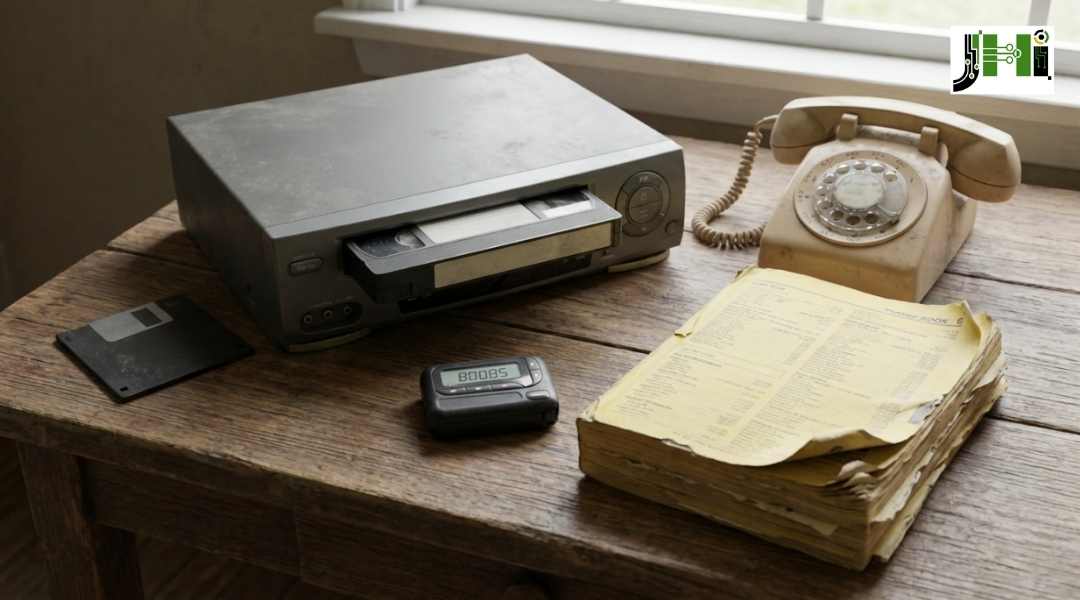
Here are five products that became obsolete:
Floppy Disks — Once the go-to storage tool, now replaced by USB drives and cloud storage VHS Tapes — Weekend movie rentals on tape gave way to streaming services CRT Televisions — Heavy, bulky box TVs lost the battle to slim flat screens Pagers — One-way message devices replaced by smartphones Fax Machines — Slow document delivery replaced by instant email
Once essential. Now forgotten.
Overview of Obsolete Products
An obsolete product is any item that technology or behavior has made unnecessary. Think of it like an old map replaced by GPS. It still exists. It still works. But almost nobody uses it anymore. These products didn’t fail overnight. They simply got outpaced.
Understanding Obsolete Products in Phoenix, AZ
You probably owned one of these. Maybe more than one. Understanding why products become obsolete helps you spot the pattern — and stay ahead of it. Obsolescence isn’t random. It follows a clear path. A better option arrives. Consumers switch. The old product loses its market. Then it disappears from shelves entirely.
Overview of Obsolete Products
Obsolete products are items that people no longer use because better alternatives exist. They fade out slowly, then all at once. Most people don’t notice until the product is already gone. Definition of Obsolete Products An obsolete product is one that has been replaced by something faster, cheaper, or more effective. A floppy disk is obsolete because a USB drive holds thousands of times more data at a fraction of the cost. The old product still exists — it just no longer makes sense to use.
Why Products Become Obsolete
Three forces push products into obsolescence:
Tech change — A new invention does the same job better
Behavior change — People shift how they work, communicate, or consume.
Cost efficiency — The newer option becomes cheaper to produce and buy
Faster, cheaper, smarter. New tech wins every time.
Common Examples of Obsolete Products in Phoenix, AZ
You’ve seen these before. Maybe in your parents’ home. Maybe in your own closet. These products were once part of daily life across Phoenix and everywhere else. Now they’re curiosities.
5 Common Obsolete Products
Floppy Disks — 1.44MB of storage, now laughably small
VHS Tapes — Required rewinding before returning to the store.
CRT TVs — Weighed up to 100 pounds and took up half the room.
Pagers — Could only receive messages, not send them.
Fax Machines — Sent one page at a time, slowly, over a phone line
From must-have to forgotten.
Floppy Disks
Floppy disks once held entire computer programs. That sounds impressive until you realize a single smartphone photo today is larger than a floppy disk’s total capacity. Like carrying water in a tiny cup — technically possible, just not practical. USB drives and cloud storage buried floppy disks for good in the early 2000s.
VHS Tapes
VHS tapes meant Friday night trips to the video store. You picked your movie, watched it, and rewound it before returning it. That rewind culture was real. Then DVDs arrived. Then streaming. Now that ritual is gone, replaced by endless content available in seconds.
CRT Televisions
CRT TVs were enormous. Heavy. Hot. They took up serious space and required two people to move safely. Then flat screens arrived — lighter, thinner, and sharper. Big box then, slim screen now. The shift happened fast. By 2010, CRT production had nearly stopped worldwide.
Pagers
Pagers could receive a short numeric message. That was it. You had to find a phone to respond. It sounds absurd today, but in the 1990s, pagers felt cutting-edge. Smartphones ended them instantly. One device replaced an entire communication system.
Fax Machines
Sending a fax meant feeding paper into a machine and waiting minutes per page. Email changed everything. You can now send a 100-page document in under a second. The speed difference alone made fax machines impossible to defend.
Examples of Obsolete Products
Beyond the top five, obsolescence runs wide:
Typewriters
Analog landline phones
Film cameras
Answering machines
Paper roadmaps
Each one had its moment. Each one got replaced.
Typewriters
Typewriters required skill, patience, and correction fluid. Every mistake cost time. Word processors and computers changed writing forever. Today, editing a document takes seconds — no white-out required.
Analog Landline Telephones
Landlines tied you to a room. Mobile phones gave you freedom to move, travel, and stay connected anywhere. The mobility advantage was impossible to ignore. Landline use has dropped sharply every year since 2000.
Film Cameras
Film cameras required buying rolls of film, shooting carefully, and waiting days for prints. Digital cameras and then smartphones added instant preview. You know the shot worked before you move on. That changed photography for everyone.
Other Notable Obsolete Products
A few more worth mentioning:
Answering machines — Replaced by voicemail built into every phone.
Paper roadmaps — Replaced by GPS with real-time updates
Dial-up modems — Replaced by broadband and fiber connections
Paper Roadmaps
Folded maps then. Live directions now. Paper maps required pulling over, unfolding a massive sheet, and guessing where you were. GPS killed that frustration instantly and permanently.
Reasons Products Become Obsolete in Phoenix, AZ
New replaces old. Faster replaces slower. This isn’t a bad thing — it’s just how progress works. Understanding the causes helps you see it coming.
Reasons These Products Became Obsolete
- Four causes drive most obsolescence:
- Better technology became available
- Consumer behavior shifted
- Costs dropped for newer options
- Digital platforms replaced physical ones
Faster, cheaper, easier. That’s the formula every time.
Technological Advancements
Every generation of technology improves on the last. CDs replaced tapes. MP3s replaced CDs. Streaming replaced MP3 downloads. From bulky to sleek, the pattern repeats. Each leap makes the previous format feel clunky by comparison.
Shift to Digital Solutions
Analog systems required physical materials — tape, paper, film. Digital systems need none of that. Files transfer instantly. Storage costs almost nothing. The speed and space advantages of digital made analog formats impossible to compete with.
Changing Consumer Behavior
You prefer faster, easier options. Everyone does. When streaming offered instant access to thousands of movies, consumers stopped driving to video stores. Behavior shifts happen quietly — then all at once.
Rise of Smartphones
One device replaced many. The smartphone eliminated the need for a camera, pager, map, alarm clock, calculator, and music player. Carrying one device instead of seven was an obvious choice. Products that smartphones absorbed simply stopped selling.
Growth of Cloud Computing
Your files now live in the sky. Cloud storage removed the need for physical drives entirely. No more floppy disks. No more CDs full of backups. Everything syncs automatically and stays accessible from anywhere.
Expansion of Digital Streaming Services
Watch anytime, not rewind. Streaming services gave consumers on-demand access to more content than any physical collection could hold. VHS, DVD, and even cable TV struggled to compete with that level of convenience.
Modern Replacements for Obsolete Products in Phoenix, AZ
Every obsolete product has a modern replacement that does the job better. Here’s the before-and-after breakdown.
Modern Replacements for Obsolete Products
Replacements aren’t just substitutes — they’re upgrades. Each new option offers more speed, more capacity, or more convenience than what came before. Think of them as the next chapter, not just a swap.
USB Drives and Cloud Storage (Replacing Floppy Disks)
A single USB drive holds more than 50,000 floppy disks worth of data. Cloud storage holds even more — and you can access it from any device, anywhere. The capacity leap was so dramatic that floppy disks simply couldn’t survive.
Streaming Services (Replacing VHS Tapes)
Streaming means no physical storage, no rewinding, and no late fees. Platforms like Netflix, YouTube, and Disney+ offer instant access to thousands of titles. One subscription replaced an entire wall of VHS tapes.
Flat-Screen TVs (Replacing CRT TVs)
Flat screens weigh a fraction of CRT sets and take up far less space. Picture quality improved dramatically. Mounting a TV on a wall became possible. The space-saving alone was enough to push CRT TVs out of homes for good.
Smartphones (Replacing Pagers)
Smartphones receive messages, send messages, browse the internet, and run thousands of apps. Pagers could only buzz with a number. The multi-function advantage of smartphones made pagers irrelevant overnight.
Email and Digital Documents (Replacing Fax Machines)
Email delivers documents instantly, at no cost, to anyone in the world. Fax machines required dedicated phone lines and paper. The speed difference made the choice obvious for every office in Phoenix.
DVDs, Blu-rays, and Streaming Services
The transition from VHS didn’t happen in one step. DVDs came first, then Blu-ray, then digital downloads, then streaming. Each phase improved quality and convenience until physical media became optional for most people.
Computers and Word Processing Software
Word processors made typewriters feel painful by comparison. Editing, formatting, and saving documents became effortless. Then cloud-based tools like Google Docs made collaboration possible in real time.
Digital Cameras and Smartphones
Digital cameras added instant preview and removed film costs. Then smartphones embedded cameras directly into a device people already carried everywhere. The result? Film cameras became niche equipment for enthusiasts only.
Value of Obsolete Products in Phoenix, AZ
Old does not mean useless. That’s the part most people miss. Some obsolete products still hold real value — as collectibles, as functional tools for niche users, or as scrap material worth recovering. Wait. This old thing still has value?
Value of Obsolete Products Today
Niche buyers still exist for almost every obsolete product. Vintage tech communities, collectors, and hobbyists actively seek out old devices. Resale value varies widely, but the market is real. Don’t assume old means worthless.
Collectible and Vintage Value
Rarity drives value. A working first-generation Game Boy or an early Apple Macintosh can sell for hundreds or thousands of dollars to the right buyer. Nostalgia and condition both matter. The older and rarer the item, the higher the potential price.
Scrap and Recycling Value
Old electronics contain recoverable metals — copper, gold, silver, and aluminum. Recycling centers pay for these materials. A stack of old circuit boards or phones holds real material value even when the device itself no longer works.
Monetization Opportunities for Obsolete Products in Phoenix, AZ
Turn clutter into cash. Phoenix has real options for selling, recycling, or passing on obsolete products. Collectible and Vintage Value Online marketplaces like eBay and Etsy connect sellers with collectors worldwide. A working VHS player or vintage camera can attract serious buyers. Clean it up, photograph it well, and price it based on current sold listings.
Scrap and Recycling Value
Local recycling centers in Phoenix accept old electronics and pay based on material weight and type. It won’t make you rich, but it clears space and puts money back in your pocket. Look for certified e-waste recyclers to ensure safe processing.
Environmental Impact of Obsolete Products in Phoenix, AZ
Convenience today can mean waste tomorrow. Obsolete products don’t just disappear — they have to go somewhere.
Environmental Impact of Obsolete Products
Old electronics contain toxic materials including lead, mercury, and cadmium. When dumped in landfills, these substances leak into soil and groundwater. Phoenix’s desert environment makes contamination especially serious. Proper disposal isn’t optional — it’s necessary.
E-Waste Challenges
E-waste is growing faster than recycling systems can handle:
Millions of devices get discarded every year Many end up in developing countries with weak safety standards Toxic materials affect communities far from where the devices were used
The scale of the problem is expanding alongside the pace of technology change.
Recycling and Disposal Practices
Safe disposal is easier than most people think. Here’s how to start:
Find a certified e-waste recycler in Phoenix Wipe personal data from all devices before dropping them off Check manufacturer take-back programs — many brands accept old products for free Donate working devices to schools or nonprofits before recycling
Certified centers ensure materials get recovered safely and legally.
Advanced Learning Topics on Obsolete Products in Phoenix, AZ
Want to go deeper? These topics connect obsolescence to bigger ideas in technology and sustainability.
Additional Learning Topics
Obsolescence is just one part of a larger story. Product lifecycles, technology evolution, and e-waste management all connect to how we consume and discard technology. Each topic adds a new layer to what you’ve already learned here.
Product Lifecycle
Every product follows a lifecycle:
Introduction — New product launches with high excitement
Growth — Adoption spreads, sales climb
Maturity — Market saturates, growth slows
Decline — Better alternatives arrive, sales drop
Obsolescence — Product exits the market
Understanding this cycle helps you predict which products will fade next.
Technology Evolution
Technology doesn’t move in a straight line — it accelerates. Each breakthrough opens the door to the next one. The jump from analog to digital took decades. The jump from digital to AI-integrated tools is taking years. The timeline keeps compressing.
E-Waste Management
Effective e-waste management requires three things working together: individual responsibility, corporate take-back programs, and government recycling policy. Phoenix has local resources to support all three. Using them is the simplest step you can take toward reducing tech waste in your community.
Obsolete products are everywhere. In your garage. In your office. In storage boxes you haven’t opened in years. They served their purpose. Now it’s time to move them on.
Phoenix is changing fast. New technology keeps replacing the old. And that creates a real opportunity — to recover value, clear space, and do it responsibly.
You don’t have to throw old electronics in the trash. You don’t have to let them collect dust either. Jay Hohel Inc makes it simple. We buy scrap, recycle old electronics, and help Phoenix residents and businesses handle obsolete products the right way.
We’re locally based. We’re certified. And we’re ready to help you today.
Here’s what you can do right now. Gather your old devices. Give us a call. We’ll take it from there.
Jay Hohel Inc 3334 W McDowell Rd Unit 17, Phoenix, AZ 85009 (602) 272-4033 JayHoehlinc@gmail.com jhiescrap.com