
Your Spare Sensors Are Worth More Than You Think
Your spare industrial sensors are worth real money. Working automation parts hold value long after a project ends.
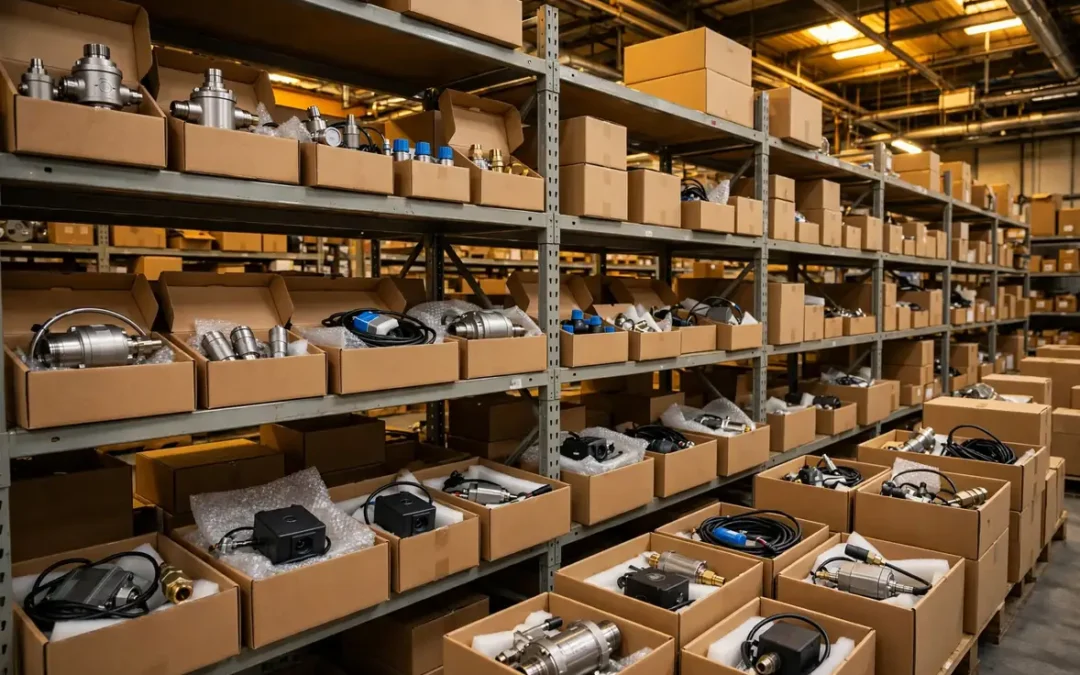
Walk into any maintenance shop in Phoenix and look at the back shelf. You will see boxes of pressure transmitters. You will see proximity sensors still in plastic. You will see encoders from a line that got upgraded two years ago.
That shelf is not junk. It is dead capital.
Those parts could be paying for your next project instead of collecting dust.
Every month they sit, they lose a little value. New models come out. Packaging fades. Paperwork gets lost. Make hay while the sun shines. The best time to sell was yesterday. The second best time is today.
How long have those boxes actually sat there? Be honest. And what could that cash do for your shop right now?
Think of surplus sensors like tools in a rental fleet. A tool earns money when someone uses it. On your shelf, it earns nothing. Selling turns a dusty box into budget for parts you actually need.
Nobody expects you to know part numbers by heart. That is the buyer’s job. Your job is just to stop letting good hardware rot in the Arizona heat.
What Industrial Sensors and Transducers Actually Are
Industrial sensors and transducers detect physical conditions. They turn those readings into signals your equipment can read.
A pressure sensor feels force and sends a 4-20 mA signal. A temperature probe reads heat and talks to your controller. A proximity switch sees a metal part and flips an output on.
Every automated machine you own is basically a nervous system built from these parts.
The word transducer sounds fancy, but the idea is simple. A transducer is any device that converts one form of energy into another. A sensor is the everyday name for the ones that measure things.
A rose by any other name would smell as sweet. Engineers say transducer. Techs say sensor. Buyers search for both, and they pay for both.
Why does the wording matter for your wallet? Because buyers list what they want in both terms. You might call it a pressure switch. The buyer calls it a pressure transducer. Same part. Same money. Why leave cash on the table over a vocabulary quiz?
Think of it like nicknames. Your part has a legal name on the datasheet. It also has three street names on the plant floor. List all of them when you sell, and you will catch every buyer searching.
Here is a quick test. Pick up any sensor in your shop. It senses something, like pressure or heat. Then it reports that reading as an electrical signal. Sense, then report. That is the whole job.
Why Phoenix Plants and Shops End Up With Surplus Sensors
Phoenix shops end up with surplus sensors for simple reasons. Projects change, lines get upgraded, and spares pile up faster than anyone plans.
A controls upgrade in Tempe leaves behind forty photoeyes. A panel shop in Mesa over-orders for a big job. A fab support contractor near the north Phoenix semiconductor corridor swaps a tool. He never returns the spares. Shops collect everything but the kitchen sink.
Surplus is normal. It is the cost of keeping a plant running.
Maintenance managers buy spares like insurance. Nobody wants a line down over a $90 sensor. So they stock ten. The line never breaks. The ten sit.
Then the desert heat does its thing. Summer in a non-climate-controlled warehouse hits 120 degrees. Boxes bake. Labels fade. Adhesive dries out. Your parts still work, but every summer steals a little shine.
Sound familiar? How many of your spares came from a project that ended two bosses ago?
Think of a storeroom like a closet. You keep adding jackets and never throw any out. Pretty soon you cannot find the one you actually wear. Selling the extras is just cleaning the closet with a paycheck attached.
That is why shops across the Valley call JHI when the shelves overflow. And here is the thing nobody says out loud. That crowded shelf makes you look disorganized to the new boss. Turning it into cash makes you look sharp.
Which Sensors and Transducers Buyers Actually Want
Buyers want working sensors from trusted brands that are still in demand on the plant floor.
Not every sensor sells. Some are gold. Some are paperweights. Here is how to tell the difference.
The cream rises to the top, and brand name is the fastest signal of value.
Pressure Transmitters and Transducers
Pressure transmitters and transducers move fast. Think Rosemount, Ashcroft, Wika, and Endress+Hauser. Plants always need them. They fail, they get replaced, and buyers pay for working units.
Temperature Sensors
Temperature sensors are steady sellers. RTDs, thermocouples, and thermistors from Omega and Honeywell sell in bulk. HVAC contractors and food plants burn through them constantly.
Proximity and Photoelectric Sensors
Proximity and photoelectric sensors are the bread and butter of surplus lots. Pepperl+Fuchs, Banner, IFM, Keyence, and Sick move quickly. Every conveyor and packaging line in the Valley uses them.
Encoders, Load Cells, and LVDTs
Encoders, load cells, and LVDTs fetch strong prices in smaller numbers. Fewer buyers need them, but the ones who do will pay. Think Heidenhain encoders or HBM load cells.
Flow, Level, Ultrasonic, and Vibration Sensors
Flow, level, ultrasonic, and vibration sensors round out the list. Siemens, Yokogawa, Turck, Balluff, and Omron all have loyal followings.
What do all of these have in common? They come from brands that maintenance teams trust. Would you gamble a production line on a no-name part? Neither would they.
Where does this demand come from? Maintenance teams, panel shops, and resellers across Arizona. A plant in Chandler needs a Rosemount transmitter today, not in six weeks. Your surplus fills that gap. That urgency is why working parts hold value.
One more tip. Got meters, scopes, or calibrators gathering dust too? Read our guide to selling surplus test equipment for maximum value.
What Sets the Price of Your Surplus Sensors
Your payout depends on condition, brand, packaging, paperwork, and how badly the market wants that part.
Five levers move the price. Learn them and you will never accept a bad offer blind.
Condition is king. Everything else is the court.
How Condition Grades Your Payout
New in Sealed Box
This is top dollar. The buyer can resell it as new. Expect the strongest offers here.
New Open Box
Still new, just opened. Slightly less than sealed, but still strong.
Used and Tested
Working pulls from a running line. Buyers pay well if you can prove they work.
Used Untested
Sold as-is. Buyers discount hard because they take the risk.
For Parts or Scrap
Dead units have only material value. Recycle them. Do not trash them.
Brand and demand come next. A sealed Allen-Bradley or Siemens transmitter beats a no-name unit every time. Popular part numbers sell in days. Oddballs sit for months.
Paperwork adds real money. Calibration certificates, datasheets, and manuals make a buyer confident. A cal cert can be the difference between a good offer and a great one.
Quantity matters too. Fifty of the same proximity sensor is a reseller’s dream. One random unit is a harder sell. Bulk lots almost always earn better per-unit pricing.
Why would a buyer pay more for a sealed box? Because they can resell it tomorrow with zero doubt. Does an old dusty sensor still pay? Sometimes yes, if that part number is still in demand.
A bird in the hand is worth two in the bush. A fair offer today beats a fantasy price next year while parts age on your shelf.
In our experience, working pressure transmitters from major brands often bring $40 to $150 each. Common proximity sensors might bring a few dollars each in bulk. Rare or sealed units can go higher. Your exact models set the real number, which is why a free evaluation beats guessing.
One more thing about timing. Prices move with demand. A part that is hot this quarter can cool by next year. That is another reason to get your quote now instead of later.
Want the full picture on turning extra stock into cash? See how we buy surplus stock from Valley businesses every week.
What a Fair Quote Looks Like
A fair quote lists every part number with its condition, quantity, and price. Payment terms come in writing too.
If a quote is one number on a napkin, it is not a quote. It is a guess with your money. What you see is what you get, and you should see everything.
Clarity is the difference between a partner and a gamble.
A good quote names every line item. You should see the part number, the quantity, the condition grade, and the unit price. No lump-sum mysteries.
It states payment terms plainly. When do you get paid? How? If the answer is fuzzy, the deal is fuzzy.
It puts pickup in writing too. Who comes, when, and who handles the heavy lifting? A local buyer schedules a real time. A vague “we will swing by sometime” is a red flag.
Why does this matter so much? Because the quote is the whole deal on paper. Everything promised lives there. Everything missing can vanish later.
Think of it like a restaurant menu with no prices. You already feel nervous ordering. A quote with no line items feels exactly the same.
So ask for the breakdown. A real buyer hands it over happily. What does a reluctant buyer tell you? Everything you need to know.
When you request a free evaluation from JHI, this is what you get. Line items. Terms. A pickup time. No fog.
How to Prep Your Sensors for the Best Offer
You get the best offer when your sensors are sorted, identified, and easy to evaluate.
Buyers pay for certainty. Every unknown knocks dollars off. A little prep work can lift your payout a lot.
A stitch in time saves nine. An hour of sorting can add hundreds to your check.
- Write down part numbers. The label on the side is everything. Photograph each label clearly.
- Count quantities. Buyers quote faster when they know exactly how many units you have.
- Sort by condition. Keep sealed, tested, and untested in separate piles. Do not mix them.
- Keep the packaging. Original boxes and foam inserts add value. Tossing them is tossing money.
- Save the paperwork. Manuals, datasheets, and cal certs go in a folder. Not the trash.
- Note what you know. Write “pulled working from Line 3.” That beats “I think these work” every time.
Why does a photo of a label matter so much? Because the part number is the price tag. Without it, the buyer is guessing. And guessers bid low.
Think of your lot like a yard sale. The table with price tags sells out. The mystery box gets ignored. Same stuff, different presentation.
Do you really want to leave money behind over a missing photo? Probably not. Spend the hour. It pays.
How Selling Your Surplus Sensors to JHI Works
Selling your surplus sensors to JHI is simple. You send a list, we quote, we evaluate, we pick up, and you get paid.
No auctions. No listing fees. No waiting for a stranger on the internet to maybe pay you. It is easy as Sunday morning.
Five steps. That is the whole process.
- Send your list. Email part numbers, quantities, condition, and a few photos. More detail means a faster quote.
- Get your quote. We price your lot based on brand, condition, and current demand. No games.
- Free evaluation. We verify condition and confirm the offer. This costs you nothing.
- Schedule pickup. We come to you anywhere in Phoenix and Maricopa County. Or drop off by appointment.
- Get paid. Agreed price, clean paperwork, done deal.
The whole thing usually takes days, not weeks. Compare that to listing parts online yourself. You would photograph, list, answer questions, pack, ship, and pray the buyer pays.
Why do shops across the Valley keep calling us back? Because we show up when we say we will. And we pay what we quoted.
Think of it like calling a good plumber. You want the job done right, on time, with no surprise charges. That is how we buy surplus.
Get a Free Evaluation for Your Surplus Sensors
The ball is in your court. Those sensors will not sell themselves.
Call JHI at (602) 272-4033. We are open Monday through Friday, 8:00 a.m. to 4:30 p.m. Visits are by appointment only, so call first.
Send your part list. Get a free evaluation. Schedule your pickup. Turn that shelf into cash this week.
No pressure. No obligation. Just a straight answer on what your surplus is worth.
How Long Should You Wait Before Selling Surplus Sensors?
You should sell surplus sensors as soon as you know you will not use them. Industrial parts lose value every year they sit.
Hope is not a storage strategy. “We might need these someday” is how shelves become museums. Better late than never, but sooner beats later.
Time is the silent tax on every box in your storeroom.
Manufacturers discontinue series. A sensor that fits today’s PLC may not fit the next upgrade. Once a part goes obsolete, only a small pool of buyers wants it.
Even without obsolescence, new-in-box loses its shine. Boxes get crushed. Labels fade in the Arizona sun. Buyers discount for all of it.
Here is a simple rule. If a part has sat untouched for twelve months, it is surplus. Sell it. If your team cannot name the project it was bought for, it is surplus. Sell it.
How much value have you already lost waiting? More than the effort of selling would have cost. Almost always.
Think of surplus like produce. Fresh parts fetch fresh prices. Last season’s parts still sell, but the price drops. Nobody pays premium for wilted lettuce.
Do not let perfect timing become the enemy of good money. A fair offer today beats a maybe-tomorrow that never comes.
Local Phoenix Buyer vs. National Broker: What Actually Changes
A local buyer changes three things. Speed, trust, and how much of the payout stays in your pocket.
National brokers have their place. But shipping a box of sensors across the country adds cost, time, and risk.
There is no place like home when it comes to selling surplus.
With a local buyer, you skip freight charges. Sensors are small but heavy in bulk. Shipping fifty transmitters eats your margin fast.
You also get to look the buyer in the eye. Walk into our shop on McDowell Road. See the operation. Shake a hand. Try doing that with a website form.
Payment is faster too. No waiting for a check from three states away. Local deals close in days, not weeks.
And here is the Phoenix angle. Our summers punish stored electronics. A local pickup gets your parts out of that hot warehouse now. Not after a two-week shipping dance.
Why ship your money away? Keep the deal local and keep more of it. JHI has bought and recycled electronics in Phoenix since 1980. That is over four decades of showing up. A fly-by-night broker cannot say that.
Sell surplus electronics to a buyer in your own backyard. The whole process feels human. That is how it should feel.
How to Spot a Buyer Who Will Waste Your Time
You can spot a bad buyer fast. Watch for vague pricing, pressure tactics, and zero paperwork.
Not every buyer deserves your parts. Some will waste your week. Here is how to filter them out.
If it walks like a duck and quacks like a duck, it is probably a lowball.
- No written quote. A real buyer puts numbers in writing. Verbal-only offers evaporate.
- Pressure to decide today. Good offers do not need a countdown timer.
- No business address. A P.O. box and a burner phone is not a company.
- Wants you to ship first, talk price later. Never. Price first, ship second.
- Dodges questions about payment. Ask how and when you get paid. Vague answers mean trouble.
- Zero online presence. No website, no reviews, no history. Hard pass.
Why do shady buyers love vague deals? Because vagueness lets them move the goalposts. A written quote locks the field.
Think of it like a used car lot with no prices on the windshields. You already know how that story ends. Walk away.
Does a legit buyer mind your questions? Never. We welcome them. Ask us anything before you agree to anything.
What to Do With Sensors Nobody Will Buy
Sensors nobody will buy should be recycled responsibly, not tossed in the dumpster.
Some parts are truly done. Obsolete models with zero demand. Units fried by a power surge. Sensors with cracked housings and corroded pins.
Waste not, want not, but know when to let go.
First, separate the dead from the doubtful. A buyer can advise you. We see this daily and we will tell you straight.
Second, recycle the dead ones properly. Electronics contain metals and materials that do not belong in a landfill. Check the federal guidance on electronics recycling before you toss anything.
Third, consider donation. Schools, makerspaces, and training programs love practice parts. A dead sensor still teaches.
Why pay a dumpster fee for something a recycler takes? That is paying to throw away value, even small value.
Think of it like an old car. You sell what runs. You scrap what does not. Either way, it leaves your property the right way.
Got a bigger cleanout with sensors, computers, and old gear? Our IT asset disposition guide walks through the whole process.
Who Buys Your Sensors After You Sell Them
Your old sensors go back to work on other plant floors. They land in the hands of buyers who need that exact part today.
Selling surplus is not the end of the story. It is the middle. What goes around comes around, and working parts keep circulating.
One shop’s spare is another shop’s lifeline.
Resellers buy working lots and list individual parts. A maintenance tech in Tucson finds the exact transmitter he needs. He gets it fast and cheap. Everybody wins.
Refurbishers test, clean, and recalibrate used sensors. Then they sell them with fresh confidence. Your dusty box becomes someone’s reliable spare.
Other plants buy direct too. A small shop cannot afford new list price on everything. Your surplus stretches their budget further than they expected.
Why does this matter to you? Because real demand sets real prices. You are not selling into a void. You are feeding a living market.
Think of it like a parts carousel. Sensors ride around from shop to shop until they truly wear out. Nothing useful sits still for long.
So where do your sensors go after JHI buys them? Back into the field, earning their keep. Does that beat a landfill? Every single time.
Mistakes That Shrink Your Payout
Most sellers lose money through small mistakes that are easy to avoid.
You do not need to be an expert. You just need to dodge these traps.
Penny wise and pound foolish is the classic surplus seller mistake.
- Mixing tested and untested. One untested unit poisons the whole lot’s price. Keep them apart.
- Tossing boxes and manuals. Packaging and paperwork add real dollars. Save them.
- Waiting too long. Parts depreciate. That hot part number cools off. Sell while demand is warm.
- No part numbers. “A box of sensors” gets a box-of-sensors price. Labels get label prices.
- Taking the first lowball. Get two quotes. It takes an hour and often pays for itself.
- Shipping before terms are clear. Agree on price and payment in writing first. Always.
Why do smart people make these mistakes? Because selling surplus feels like a side chore. It is not. It is found money.
Think of your lot like a garage sale on steroids. Presentation and timing decide the outcome. Sloppy prep means sloppy prices.
Do you want top dollar or fast and sloppy? You can have both if you prep right. Just do not skip the basics.
Frequently Asked Questions
No such thing as a dumb question. Here are the ones we hear most.
Do you buy used industrial sensors?
Yes. We buy new, used, tested, and untested sensors. Condition affects the price, not our interest. Send your list and we will quote it.
What brands of sensors do you buy?
We buy all major automation brands. Allen-Bradley, Siemens, Honeywell, and Pepperl+Fuchs lead the list. So do Banner, IFM, Keyence, Omron, Turck, Balluff, Sick, and Omega. Off-brands depend on demand.
Will you buy untested or as-is sensors?
Yes, we buy as-is lots. Expect a lower offer since we take the testing risk. Sorted and labeled lots always earn more than mystery boxes.
Do you buy small lots or even single sensors?
Yes. One valuable transmitter is worth our time. Fifty common sensors are worth more. Send what you have and we will give you a straight answer.
Do I need calibration certificates?
No, but they help a lot. A current cal cert can raise your offer noticeably. Without one, we evaluate condition and price accordingly.
How do I get paid, and how fast?
We agree on price and payment terms in writing before pickup. Local deals typically close within days. No waiting on distant checks.
Do you pick up outside Phoenix?
We serve Phoenix and Maricopa County directly, including Tempe, Mesa, Chandler, Scottsdale, and Glendale. Larger lots elsewhere in Arizona can be quoted case by case.
Can I sell sensors if I lost the part numbers?
Sometimes. Clear photos of the labels can be enough for us to identify them. Photos of the parts themselves work too. But part numbers always earn a faster and better quote. So dig for them first.
Do you buy other automation parts besides sensors?
Yes. PLCs, drives, HMIs, power supplies, and relays often ride along in the same lot. If it came off a control panel, ask us about it.
How should I pack sensors for pickup or shipping?
Keep original boxes when you have them. Wrap loose units so labels do not get scratched. You do not need fancy packing. Just protect the pins and threads.
Do you buy sensors from outside Arizona?
Our pickups cover Phoenix and Maricopa County. For larger lots elsewhere, send photos and a part list. We will tell you honestly if a deal makes sense.
What happens to sensors that are obsolete or broken?
We tell you honestly if something has no resale value. Dead units go to responsible electronics recycling, not the landfill. You get a clean conscience and a clean shelf.
Turn That Shelf Into Cash: Your Next Step
Your surplus sensors will not gain value sitting on a shelf.
You have read the playbook. You know what buyers want. You know what sets the price. You know the traps to dodge.
Strike while the iron is hot, because demand cools and parts age.
So what is stopping you? A phone call is all it takes.
Call JHI at (602) 272-4033, Monday through Friday, 8:00 a.m. to 4:30 p.m. Request your free evaluation. Schedule your pickup. We are at 3334 W McDowell Rd, Unit 17 in Phoenix, by appointment only.
Think of it as spring cleaning with a paycheck. Your storeroom gets breathing room. Your budget gets a boost. Your boss notices.
Why let another summer bake those boxes? Make the call today.