
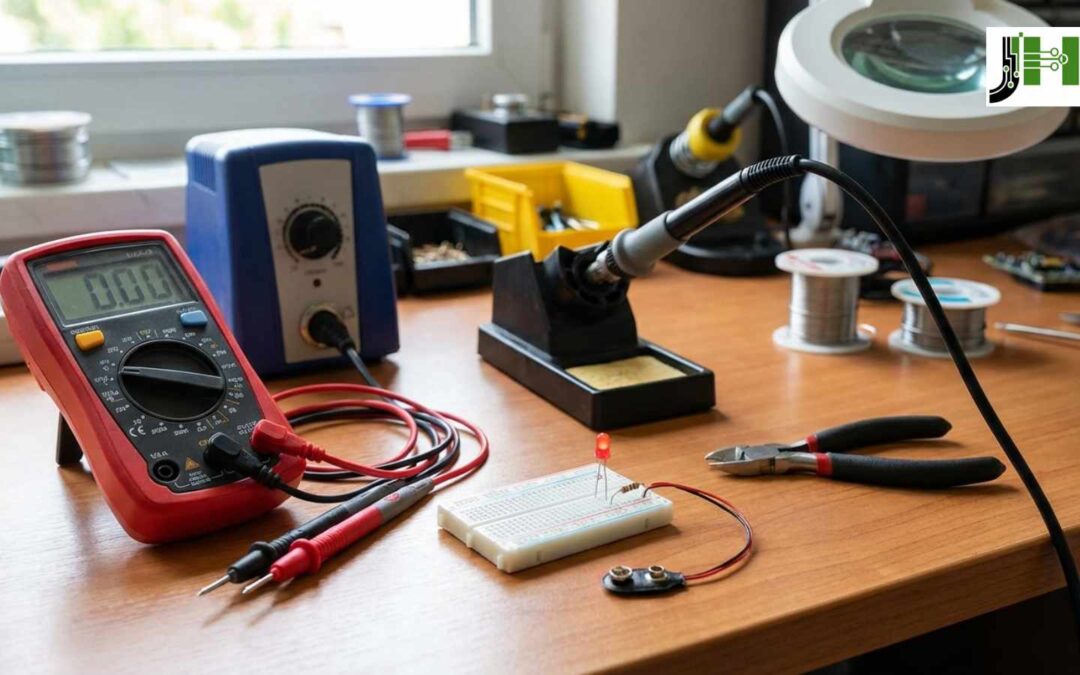
What Are Simple Electronic Equipment?
What if the devices you use daily are simpler than you think?
Simple electronic equipment refers to everyday devices that perform basic functions using fundamental electronic principles — no complex programming required, no advanced systems needed. From the flashlight in your kitchen drawer to the calculator on your desk, these tools quietly power your daily routine. This guide breaks it all down clearly so you can understand, use, and care for them with confidence.
What Are Simple Electronic Equipment in Phoenix, AZ? Local
In Phoenix, AZ, simple electronic equipment plays a surprisingly big role in everyday life. Whether you’re cooling down with an electric fan during the scorching summer months or listening to the radio during your morning commute, these devices are everywhere — and most people never stop to think about how straightforward they really are.
Simple electronic equipment refers to basic devices that use electrical components to perform a single or limited set of functions. They don’t require complex software or advanced circuitry. They’re built for ease, reliability, and affordability — qualities that matter whether you’re a homeowner in Scottsdale or a student in Tempe.
Overview of Simple Electronic Equipment
At their core, simple electronic devices are tools built around basic components like resistors, capacitors, and batteries. Think of a flashlight: it has a battery for power, a switch for control, and a bulb for output. That’s it. These devices are like quiet helpers in your home — always ready, never demanding, and incredibly reliable.
Common examples include calculators, radios, electric fans, remote controls, and basic mobile phones. Each does one job well, and that simplicity is exactly what makes them valuable.
Understanding the Value of Simple Electronic Equipment Phoenix, AZ
Small tools often do the biggest jobs. In a city like Phoenix where heat, dust, and daily activity demand dependable tools, simple electronics deliver real value without complexity or high cost. Understanding why they matter helps you make smarter choices for your home, office, or learning space.
Advantages of Simple Electronic Equipment
- Affordable to purchase and replace
- Easy to operate with no training required
- Energy-efficient and low on power consumption
- Durable with minimal maintenance needs
- Widely available at local Phoenix retailers
Easy to Use
Who wants a device that needs a manual every time? Simple electronics are designed so that anyone — regardless of technical background — can use them immediately. A light switch, a remote control, or a basic phone requires no setup, no downloads, and no confusion. That accessibility makes them essential in every household.
Low Cost
Spend less, get more. Simple electronic devices are among the most affordable options on the market. A quality flashlight costs a few dollars. A basic calculator is even less. In the long run, their durability means you’re not replacing them often — making them an even smarter investment over time.
Low Power Consumption
They sip power, not drain it. Simple electronics are naturally energy-efficient because they perform limited functions. In Phoenix, where air conditioning already pushes electricity bills higher during summer, choosing low-power devices for everyday tasks can make a noticeable difference on your monthly statement.
Easy Maintenance
You don’t want repairs every week. Simple devices have fewer parts, which means fewer things can go wrong. Most require nothing more than occasional cleaning or a fresh battery. There’s no need for a technician, no expensive service call — just basic care that takes minutes.
Common Types of Simple Electronic Equipment Phoenix, AZ
You might be using all of these already — and not even realize how neatly they fall into just a few clear categories. Simple devices, many uses.
Common Types of Simple Electronic Equipment
Fans, radios, clocks, and lamps that keep your home comfortable and functional.
Portable tools like basic phones, calculators, and flashlights for personal use.
Starter kits and basic circuits for learning electronics hands-on.
Everyday tools like printers, scanners, and desk fans that boost productivity.
Basic Household Electronics
You probably have these in your room right now. Electric fans, alarm clocks, basic lamps, and battery-powered radios are staples of any Phoenix home. They’re affordable, available everywhere, and require almost no setup. Their simplicity is their strength.
Personal Electronic Devices
What do you carry every day? Basic mobile phones, portable calculators, and small flashlights are personal electronics that go wherever you go. Their portability and ease of use make them indispensable — especially when you need reliability without complexity.
Educational and DIY Electronics
Learning by doing sticks longer. Beginner electronics kits, breadboards, and simple circuit sets are a fantastic entry point into understanding how devices work. Whether you’re a curious student or a weekend hobbyist, these tools make learning accessible and genuinely fun.
Office and Utility Devices
Small devices, big productivity. Calculators, USB hubs, desk fans, and basic printers are the unsung heroes of the modern office. They handle specific tasks quickly and quietly, allowing you to focus on the work that actually matters.
Examples of Simple Electronic Equipment Phoenix, AZ
You already use most of these without thinking. Here is a look at specific devices that define the category — starting with the most familiar, then moving into slightly more technical territory.
Examples of Simple Electronic Equipment
- Calculator — math at your fingertips
- Flashlight — light when you need it most
- Radio — still works when the internet fails
- Electric Fan — essential in Phoenix summers
- Television Remote Control — small device, full control
- Basic Mobile Phone — simple but always works
Calculator
A small brain for quick math. Calculators are among the most widely used simple electronic devices in the world. Whether you’re a student checking homework or an office worker running figures, a calculator delivers instant, accurate results with a press of a button — no connectivity needed.
Flashlight
Light when you need it most. The flashlight is one of the purest examples of simple electronics: a battery, a switch, and a light source. In Phoenix, where power outages occasionally follow monsoon storms, a reliable flashlight is a household essential rather than a luxury.
Radio
Still works even when the internet fails, right? A battery-powered radio remains one of the most dependable communication devices available. It receives signals without Wi-Fi, without a data plan, and without a charger nearby — making it invaluable during emergencies and outdoor activities alike.
Electric Fan
You know how hot Phoenix gets. An electric fan is not optional here — it’s practically a survival tool from May through September. Simple, efficient, and inexpensive, fans reduce reliance on air conditioning while keeping rooms livable. Their low power draw is a bonus for any energy-conscious household.
Television Remote Control
Small device, full control. The remote control uses infrared signals to communicate wirelessly with your TV. It’s a perfect example of simple electronics at work: press a button, send a signal, see a result. No complexity, no confusion — just instant response.
Basic Mobile Phones
Simple but always works. A basic mobile phone — one without a smart operating system — focuses entirely on calls and texts. Its long battery life, rugged design, and straightforward operation make it a favorite for those who value reliability over features.
Examples of Simple Electronic Devices and Circuits
These are the building blocks behind bigger devices. Beyond everyday gadgets, simple electronic circuits form the foundation of all electronics. Understanding them gives you insight into how every device around you actually works.
Multimeter
Think of it as a doctor for electronic circuits. A multimeter measures voltage, current, and resistance — giving technicians and hobbyists the data they need to diagnose problems, verify connections, and test components safely. It’s one of the most practical tools in any electronics kit.
Simple Power Supply
The heart of the circuit. A basic power supply converts AC power from the wall into DC power that electronic circuits can use. Without it, no device could function. Simple power supplies are the starting point of almost every electronics project.
Passive Filters
What if you could remove noise from signals? Passive filters use resistors, capacitors, and inductors to allow certain signal frequencies through while blocking others. They’re found in audio equipment, communication systems, and anywhere signal clarity matters.
Sensors
These devices react before you even notice. Motion sensors, light sensors, and temperature sensors detect changes in the environment and respond automatically. They’re found in security systems, automatic lights, and smart home devices — quietly working behind the scenes.
Key Components Used in Simple Electronic Equipment Phoenix, AZ
Every device you use has these hidden inside. Understanding the basic building blocks helps demystify how electronics work — and makes troubleshooting, learning, and buying decisions much easier.
Key Components Used in Simple Electronic Equipment
Tiny parts, big impact. These are the fundamental elements found inside almost every simple electronic device. Each has a specific role, and together they allow devices to function reliably.
| Component | Primary Function | Common Device |
|---|---|---|
| Resistor | Controls current flow | Flashlight, calculator |
| Capacitor | Stores and releases energy | Power supply, radio |
| Diode | Allows one-way current | Chargers, LED circuits |
| Transistor | Switches and amplifies | Radios, amplifiers |
| Battery | Provides portable power | Remote, flashlight |
| LED | Emits light efficiently | Indicator lights, torches |
| Switch / Relay | Controls ON/OFF states | All devices |
Resistors
Traffic controller for electricity. A resistor limits how much current flows through a circuit, protecting other components from damage. Think of it like a tap that controls water pressure — too much flow and something bursts; the resistor keeps things balanced and safe.
Capacitors
Small energy tank. A capacitor stores electrical charge and releases it quickly when needed. This makes it useful for smoothing out power supply fluctuations, filtering signals, and providing brief bursts of energy in circuits that need them.
Diodes
One-way gate. Diodes allow electricity to flow in only one direction, preventing reverse current that could damage components. They’re essential in chargers, power supplies, and anywhere the direction of current must be controlled precisely.
Transistors
Small part, massive power. Transistors act as electronic switches or amplifiers. A tiny input signal can control a much larger output — which is why transistors are the foundation of modern electronics, from simple radios to complex computer chips.
Batteries
Power in your pocket. Batteries convert chemical energy into electrical energy, making portable electronics possible. Whether it’s the AA cells in your remote or the lithium battery in a basic phone, batteries are what make simple devices truly mobile and convenient.
Core Simple Electronic Components Phoenix, AZ
These small parts decide how every device behaves. This section goes a level deeper — introducing additional core components that round out your understanding of what’s inside the electronics you use every day.
Inductors
Energy stored in invisible fields. An inductor is a coil of wire that stores energy in a magnetic field when current flows through it. They’re used in filters, power converters, and radio circuits — often working quietly alongside capacitors to manage signal quality and power delivery.
LEDs (Light Emitting Diodes)
You see them glowing everywhere. LEDs produce light when current passes through them, using far less energy than traditional bulbs. They’re found in indicator lights, flashlights, digital displays, and decorative lighting — a simple technology with widespread impact.
Switches and Relays
One click, full control. A switch opens or closes a circuit to start or stop the flow of electricity. A relay does the same thing but allows a small electrical signal to control a much larger one — making it essential in industrial and safety applications.
Functions of Simple Electronic Equipment and Components Phoenix, AZ
What actually happens when you turn a device on? Every simple electronic device performs one or more core functions that make it useful. Understanding these functions connects the theory to your daily experience.
Power Conversion
Changing power into usable form. Most devices need to convert electricity from one form to another. A phone charger, for instance, converts AC (the power from your wall) into DC (the power your phone uses). Simple power conversion circuits make this happen safely and efficiently every time you plug in.
Signal Processing
How does your device understand signals? Signal processing involves receiving, cleaning, and interpreting electrical signals. Your radio, for example, picks up a broadcast signal, filters out noise, and converts it into the audio you hear — all through simple electronic components working in sequence.
Control and Operation
You press a button, and it responds instantly. Control circuits use switches, buttons, and sensors to manage how a device behaves. From the volume knob on a radio to the power button on a fan, these control elements make devices responsive to your input and easy to operate.
Communication
Silent signals, powerful connection. Electronic communication devices transmit information over distances using radio waves, infrared signals, or electrical pulses. A basic mobile phone, a walkie-talkie, or even a TV remote — all rely on communication circuits to send and receive information reliably.
Functions of Simple Electronic Components
Each part has a specific job. The components inside a device aren’t random — they’re carefully chosen to perform precise functions that make the device work as intended.
Current Limiting and Voltage Division
Like splitting water flow into streams. Resistors divide and limit electrical flow within a circuit, ensuring each component receives the correct voltage and current. Without this function, sensitive components would receive too much power and fail prematurely.
Energy Storage
Energy saved for the right moment. Capacitors and inductors both store energy — capacitors in electric fields, inductors in magnetic fields. This stored energy can be released precisely when a circuit needs it, smoothing out fluctuations and enabling timing functions in many devices.
Direction Control of Current
Like a one-way road. Diodes ensure current flows in only one direction, protecting circuits from potentially damaging reverse currents. This is critical in power supplies, chargers, and signal routing applications where directional accuracy matters.
Signal Amplification and Switching
Weak signals become strong. Transistors amplify small signals into large ones, or switch circuits ON and OFF rapidly. This makes them essential in audio amplifiers, communication devices, and anywhere a faint input needs to produce a powerful output.
Light Emission and Indication
You see it blink, and you know it works. LEDs provide visual feedback — a power indicator, a charging light, or a warning signal. Their low power consumption and long lifespan make them the preferred choice for any status indication in modern electronics.
Circuit Control and Switching
One action controls the whole system. Relays and switches give operators direct control over entire circuits. In larger systems, a single relay can activate or deactivate multiple components simultaneously, making it a powerful element in both simple and complex electronic setups.
Applications of Simple Electronic Equipment Phoenix, AZ
You use these without even noticing. Simple electronics are not limited to one context — they show up at home, at work, in classrooms, and in industry. Here’s a breakdown of where and how they make a real difference.
Home Use
You probably rely on these every day. Electric fans, alarm clocks, radios, flashlights, and remote controls are daily household essentials in Phoenix. They make routines easier, keep families comfortable, and provide reliable function without demanding attention or technical knowledge from their users.
Education and Learning
Practice makes learning stick. Simple electronics are ideal for students and beginners. DIY kits, breadboard projects, and basic circuit sets teach foundational skills in a hands-on, low-risk environment. Schools and learning centers in Phoenix increasingly incorporate these tools into science and engineering programs.
Office Use
Small tools, big results. Calculators, USB hubs, desk fans, and basic printers are the workhorses of any office. They handle specific tasks reliably, freeing up time and reducing dependence on complex technology for routine work.
Industrial Basic Tasks
These simple tools support bigger systems. Even in industrial settings, simple electronics play a foundational role. Sensors detect conditions on production lines, basic switches control equipment, and power supplies feed larger systems. Their reliability and simplicity make them indispensable support components in more complex operations.
Limitations of Simple Electronic Equipment Phoenix, AZ
Simple is good — but not always enough. An honest understanding of these devices includes recognizing where they fall short. Setting realistic expectations makes you a smarter consumer and user.
Limited Functionality
Simple means fewer features. A basic radio cannot stream podcasts. A calculator cannot run apps. By design, these devices do one thing well — and that specialization is both their greatest strength and their primary limitation. When your needs expand beyond the basics, more advanced equipment may be necessary.
Lower Performance
Not built for heavy work. Simple electronics are not designed for demanding tasks. Processing speed, output capacity, and operational range are all more limited than in advanced devices. For casual, everyday use this is perfectly fine — but for professional or high-output environments, their performance ceiling can become a constraint.
Minimal Automation
More manual, less automatic. Simple devices typically require direct human input to operate. They don’t learn, adapt, or automate tasks. This means more hands-on involvement for the user — which some appreciate for its clarity, but others find limiting compared to smarter, connected alternatives.
Maintenance and Safety of Simple Electronic Equipment, Phoenix, AZ
Why risk damage when care is simple? A few basic habits extend the life of your devices significantly and keep your household safe. Small care, long life.
Proper Handling
You don’t want to break it by mistake. Simple electronics, while durable, are still vulnerable to drops, impacts, and rough handling. Store devices in stable places, handle them with care, and keep them away from children’s reach when not in use. Basic physical care prevents the majority of device failures.
Regular Cleaning
Dust is a silent enemy. Dust buildup inside and around electronic devices can block ventilation, cause overheating, and reduce performance over time. Wipe down device surfaces with a dry or slightly damp cloth regularly, and use compressed air to clear vents when needed — especially in Phoenix’s dusty environment.
Safe Power Usage
Too much power can damage everything. Always use the correct power source and voltage rating for your device. Avoid overloading power strips, use surge protectors where appropriate, and unplug devices during thunderstorms or extended periods of non-use. These simple habits protect both your devices and your home.
Battery Care
Take care of power, and it lasts longer. Remove batteries from devices when they won’t be used for extended periods to prevent leakage. Never mix old and new batteries in the same device. Dispose of spent batteries at designated recycling points rather than in regular trash — especially important for environmental responsibility in Arizona.
Environmental Considerations for Electronics Phoenix, AZ
We all share the same environment. How you dispose of and use electronics has real consequences. Responsible choices start with awareness and end with simple, consistent action.
E-Waste Management
Throwing away is easy — managing is smarter. Electronic waste contains materials that can harm soil and water if disposed of improperly. Phoenix has designated e-waste drop-off locations and collection events where you can safely hand over old devices for responsible processing. Using them is one of the most straightforward environmental actions you can take.
Recycling Practices
Why waste what can be reused? Many components inside simple electronics — metals, plastics, circuit boards — can be recovered and reused in new products. Local Phoenix recycling programs accept a wide range of electronic devices. Participating extends the life cycle of materials and reduces landfill strain significantly.
Energy Efficiency
Use less, save more. Simple electronics already consume less power than their complex counterparts — but choosing the most energy-efficient models within that category amplifies the benefit. Look for devices with low wattage ratings, and turn off or unplug devices when not in use. In Phoenix, where cooling costs dominate energy bills, every watt saved counts.
Final Thoughts
Conclusion: Simple Electronics,
Powerful Impact
Simple electronic equipment may not grab headlines, but it powers the moments that matter most — the light when the power goes out, the fan that keeps your home bearable through a Phoenix summer, the calculator that helps your child with homework, and the radio that keeps you informed when the internet fails.
These devices are affordable, energy-efficient, easy to maintain, and built to last. Whether you’re outfitting a home, setting up an office, exploring electronics as a beginner, or simply replacing a worn-out device, understanding what simple electronics are — and what they can do — puts you in a smarter position as a consumer.
In Phoenix, AZ, the right tools make daily life smoother and more efficient. From basic household gadgets to core electronic components, simple electronics deliver reliable value without complexity. And when the time comes to repair, recycle, or responsibly dispose of your old devices, working with a trusted local partner makes all the difference.
Phoenix’s Trusted Electronics Partner
Ready to Buy, Recycle, or Scrap
Your Electronics?
Jay Hohel Inc is Phoenix’s go-to source for electronics scrap, recycling, and e-waste disposal. We make it easy, responsible, and rewarding. Contact us today — our team is ready to help.
📞 (602) 272-4033
✉️ JayHoehlinc@gmail.com