
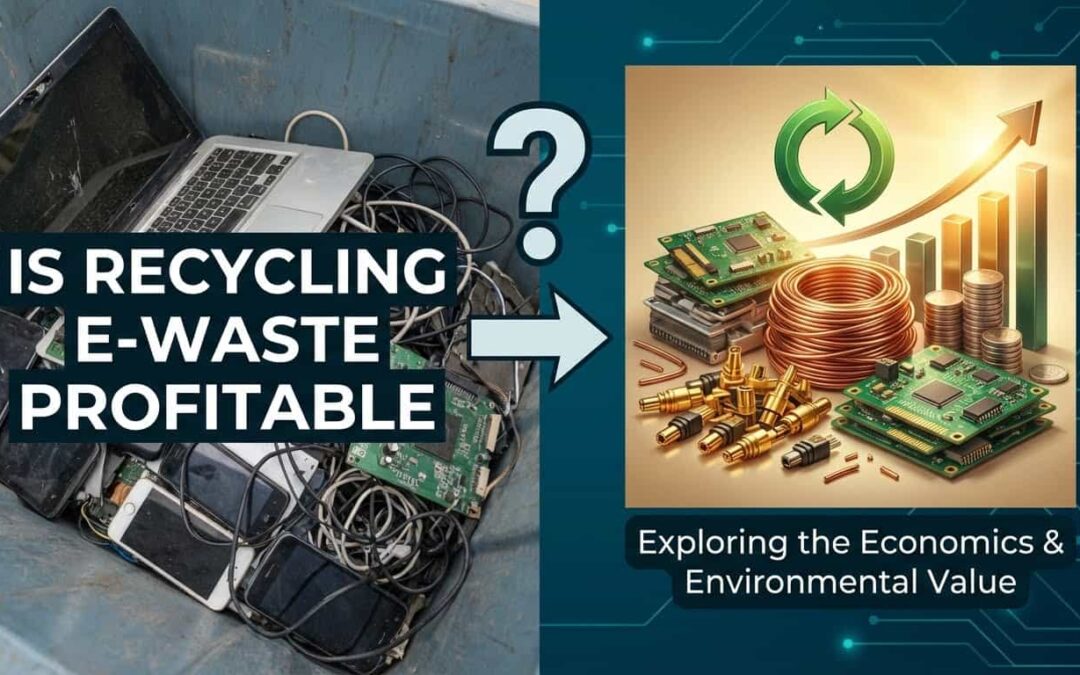
Electronic waste isn’t just waste—it’s a hidden goldmine. With the rise of smartphones, computers, smart home devices, and electronics in daily life, the amount of discarded e-waste grows every year. Inside these old devices are valuable metals like gold, copper, and palladium, making the recycling process not only eco-friendly but also financially rewarding.
In simple terms:
✔ Yes, recycling e-waste can be profitable.
But profitability depends on technology, efficiency, business scale, and market demand.
Below is a detailed breakdown of how e-waste becomes profitable and what factors influence revenue in the recycling industry.
How E-Waste Recycling Can Be Profitable
E-waste recycling becomes profitable when a business can efficiently collect, process, and extract valuable components from electronics. Here are the key profit drivers:
High-Value Material Recovery
Old electronics contain precious and high-demand materials, including:
-
Gold, Silver, Palladium (found in circuit boards)
-
Copper and Aluminum (wires, power components, frames)
-
Lithium and Cobalt (batteries)
-
Steel & Reusable Plastics
A ton of circuit boards can contain far more gold than a ton of mined ore, meaning recycling yields higher value per unit compared to mining. By extracting and reselling these commodities, recyclers unlock steady income streams.
Advanced Technology
Modern recycling facilities use automated and high-precision machinery to recover materials with minimal waste, such as:
-
Optical sorting machines
-
Eddy current separators
-
Shredders & granulators
-
Chemical metal recovery systems (hydro & pyro-metallurgy)
-
Robotic disassembly lines
These technologies help increase material recovery rate, reduce labor costs, and boost profit margins. High-tech recycling plants can achieve 30%–40% profit margins, making them attractive for large-scale operations.
Large-Scale Operations
E-waste recycling is most profitable when done at scale. Larger operations benefit from:
| Advantage | Profit Impact |
|---|---|
| Bulk material processing | Lower cost per device |
| Higher output volume | Higher metal recovery → more revenue |
| Ability to negotiate better sale prices | Increased margins |
| Multiple revenue streams | Refurbishing + metal extraction + service fees |
Small recyclers may struggle with margin due to limited volume, but larger facilities can handle thousands of devices per week—leading to faster ROI and stronger long-term profits.
Strong Market Demand
There is global demand for recycled metals, reusable components, and safe e-waste disposal. Businesses often pay recyclers for collection and data destruction, providing an additional revenue stream.
Recyclers earn money through:
-
Selling recovered metals
-
Charging clients to process electronics
-
Refurbishing & reselling used devices
-
B2B recycling contracts (schools, hospitals, corporations)
-
Battery and component resale
As awareness of environmental responsibility increases, more people and businesses seek certified recycling solutions, boosting long-term industry profitability.
Factors Affecting Profitability
While e-waste recycling is profitable, some factors determine whether a business succeeds or fails.
Efficiency of the Recycling Process
Profitability depends heavily on how well materials are recovered.
Efficient processes = more material extracted = more revenue.
Efficiency improvements include:
-
Smart sorting
-
Manual removal of high-value parts before shredding
-
High-recovery metal extraction systems
-
Proper hazardous waste handling
Even small increases in recovery rate can lead to significant revenue growth over time.
Scale of E-Waste Processed
More e-waste = more metals = more income.
Small recyclers may break even, but large operations with high input volume achieve maximum profitability.
Scaling benefits include:
✔ Lower processing cost per unit
✔ Higher scrap output for metal buyers
✔ Ability to secure long-term contracts
✔ Better equipment utilization
To maximize scale, businesses should build strong collection networks with retailers, government programs, schools, and tech companies.
Technology Investment and Infrastructure
Success in e-waste recycling requires strong infrastructure, modern machinery, and safety systems. Upfront investment is high, but necessary for long-term gains.
Investment areas:
-
Processing equipment & automation
-
Metal extraction technology
-
Safe battery handling systems
-
Storage, logistics, and pickup vehicles
Firms that invest early see higher returns through increased recovery rates, lower labor cost, and better product resale value.
So—is recycling e-waste profitable? Absolutely.
With strong material recovery, efficient operation, the right technology, and the ability to scale, e-waste recycling becomes a powerful business model with significant ROI.
The world is moving toward sustainability. As electronic consumption grows, so does the value in recycling it. Companies that enter the market early and operate wisely can earn consistent profit while protecting the planet.