
What Happens to the Plastic From Recycled Electronics?
Ever wonder where the plastic shell of your old laptop ends up? You drop off a busted printer. It vanishes from your garage. But the plastic does not just disappear into thin air.
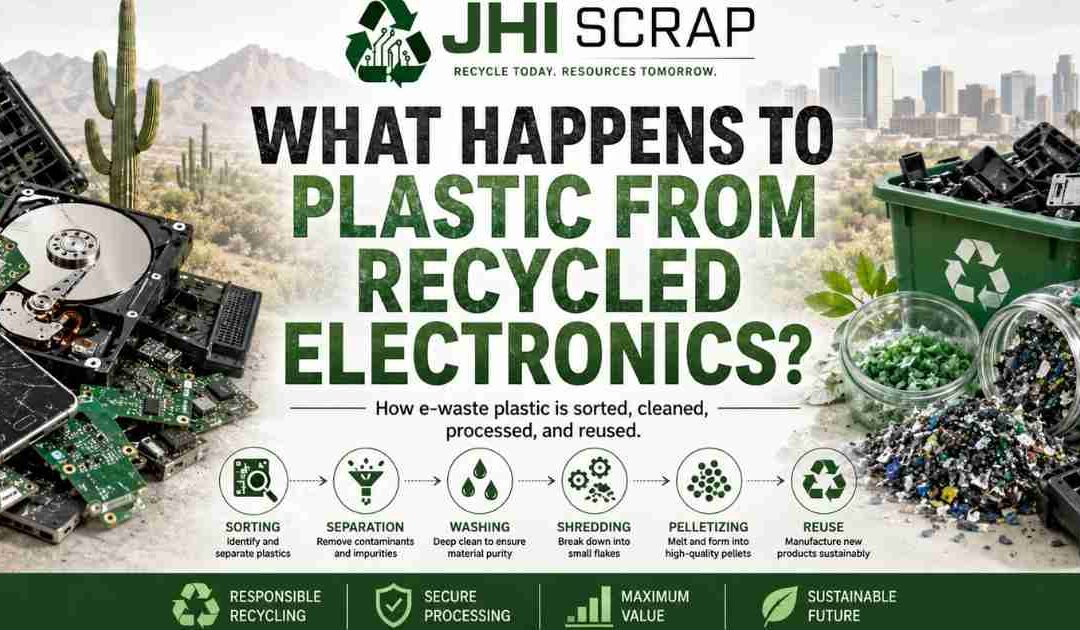
Here is the short answer. The plastic from recycled electronics gets shredded, sorted, and split into two streams. Clean plastic becomes new products. Contaminated plastic gets handled safely so it stays out of the ground.
That is the quick version. The real story has more moving parts. Let me walk you through it, plain and simple.
Plastic Is the Hidden Half of Your Old Gear
About one out of every five pounds of e-waste is plastic. That is a mountain of shells, casings, and cables. Think laptop bodies, TV frames, phone backs, and keyboard keys.
Not all plastic is the same, though. Electronics use a mix of types. Most of it is ABS, high-impact polystyrene, and polycarbonate blends. Each one acts a little differently on the recycling line.
Why does this matter to you? Because mixed plastic is hard to recycle. It is like trying to un-bake a cake. Sort it wrong, and the whole batch loses its value.
Old electronics are part metal, part plastic, and part chemistry.
How the Plastic Gets Pulled Out of Your Devices
First, the device gets taken apart. Workers strip out batteries, boards, and metals by hand or machine. What is left behind is the plastic body.
Then comes the shredder. Big machines chew the plastic into small flakes. Picture a paper shredder, but built for a truckload of monitors.
Those flakes are messy. They still carry bits of metal, foam, and dust. So the real work is sorting, not shredding. As the old desert saying goes, you cannot sell sand mixed with gold.
Sorting the Plastic Soup
So how do you separate one plastic from another? Recyclers use a trick called float-sink. They drop the flakes into water tanks. Light plastics float. Heavy plastics sink.
Run the flakes through a few tanks and they split by type. It works like panning for gold in a river. The good stuff settles right where you can grab it.
Newer plants add scanners too. Infrared sensors read each flake. Then a quick puff of air blows it into the right bin. Fast, clean, and sharp.
Good sorting is what turns trash plastic back into raw material.
The Flame Retardant Problem
Here is the catch. A lot of electronics plastic is soaked in flame retardants. These chemicals stop your TV from catching fire. Smart for safety. Rough for recycling.
Many of these are brominated flame retardants. Melt that plastic down and the chemicals can spread. So recyclers pull it out of the reuse pile. You can see the bigger picture in any overview of electronic waste.
One pile of plastic ends up clean and ready to reuse. The other pile is loaded and needs special care. Would you want that mystery plastic back in a baby toy? Neither would a careful recycler.
What Clean E-Waste Plastic Actually Becomes
The clean plastic gets a second life. It goes back to manufacturers as pellets or flakes. From there it becomes new stuff you use every day.
Think plant pots, storage bins, car parts, and yes, new electronics housings. Some brands run a closed loop. They take back old shells and mold them into fresh ones.
This saves real energy. Making plastic from recycled material beats pumping fresh oil. Want the full picture of what we do with your electronics? It is more hands-on than most folks expect.
Does E-Waste Plastic Lose Quality Each Time?
Every time plastic is recycled, it wears down a bit. The tiny chains inside get shorter. So most e-waste plastic is downcycled, not perfectly cloned.
That means your laptop shell may become a park bench, not a new laptop. Still useful. Just a step down the ladder. Think of it as a hand-me-down with plenty of life left.
Good recyclers slow that drop. They blend recycled plastic with a little fresh material. That keeps it strong enough for real products. You can dig into the e-waste recycling methods behind it all.
Where the Contaminated Plastic Goes
Not every scrap can be reborn. The plastic full of flame retardants needs a safe exit. Good recyclers send it to controlled, high-heat facilities.
There it burns under strict controls that trap the toxic fumes. Some plants even capture the heat as energy. It is not perfect. But it beats dumping it in the desert.
The nightmare version is illegal dumping. Bad actors ship it overseas or bury it cheap. That plastic then leaks chemicals for decades. This is the fate a real recycler works hard to avoid.
Why Phoenix Homes and Businesses Should Care
Here in Phoenix, old electronics pile up fast. Garages bake. Offices upgrade. Rentals turn over. That plastic does not belong in your alley bin.
Arizona heat makes it worse. Sun-baked plastic in a landfill breaks down and leaks faster. What starts as a dusty old monitor can end up in the soil.
There is also your data to think about. Many plastic shells still hide a hard drive inside. Recycling the plastic the right way often goes hand in hand with wiping your data. Two birds, one trusted drop-off.
Local businesses have even more on the line. If you run an office, our electronics recycling services keep it compliant and clean.
How to Be Sure Your Plastic Actually Gets Recycled
Not every “recycler” does the real work. Some just crush and dump. So how do you tell the good ones from the pretenders?
Ask three simple questions. Where does the plastic go? Do they separate flame retardant plastic? Can they prove it? A straight answer is a green flag.
Look for local roots and a real track record too. A company that has served Phoenix for years has a name to protect. At JHI Scrap, that reputation is the whole business.
Ready to clear out old electronics the right way? Request your free evaluation or schedule a pickup today. No surprise fees, no mystery, no landfill.
For a deeper walkthrough, read our complete guide to sustainable electronics disposal in Phoenix.
Frequently Asked Questions
Is electronics plastic actually recyclable?
Yes, much of it is. Clean plastic like ABS gets reused. Plastic with flame retardants needs special handling instead.
Why can’t all e-waste plastic be reused?
Flame retardant chemicals get in the way. They make some plastic unsafe to melt back into new products.
Does recycling my old laptop protect my data?
It can, when done right. A trusted recycler wipes or destroys drives before the plastic is processed.
Where does the plastic actually end up?
Clean plastic becomes new products. Contaminated plastic goes to safe, controlled disposal, not a landfill.
The Bottom Line
So, what happens to the plastic from recycled electronics? It gets shredded, sorted, and split into clean and contaminated streams. The clean half lives again. The dirty half is handled with care.
The plastic in your old gadgets has a story left to tell. You get to decide if it ends well. Choose a recycler that treats it right.
Want it handled with zero guesswork? Get your free quote from JHI Scrap and let your old electronics do some good.