
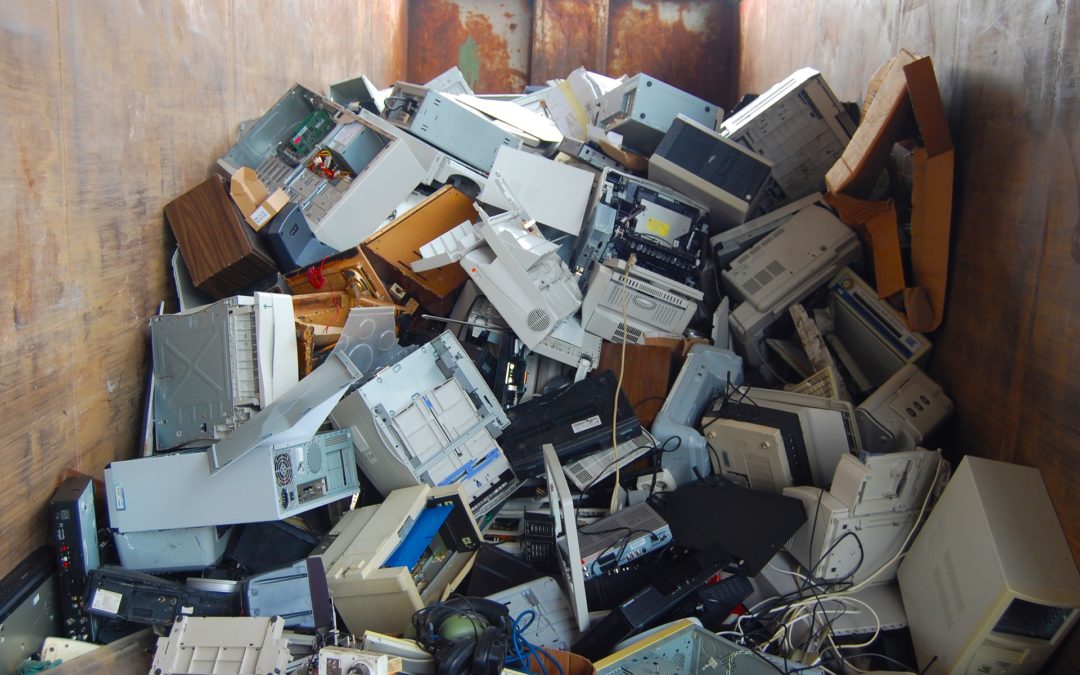
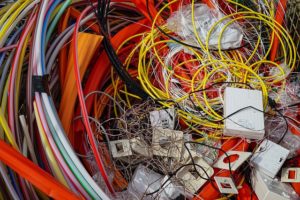
 Due to the increase in the usage of electronic products, the number of wastes is growing each day. Right from computers, televisions, VCRs, Fax machines, and stereos, nears the end of their useful life.
In simpler words, e-waste is an electric or electronic device that is no longer working. Some of these products can be recycled through either formal or informal process. The formal recycling usually involves cleaning the electronics and sorting with advanced separation technologies which can lead to source of income. On the other hand, the informal recycling involves burning devices to melt away non-valuable materials. This process can lead to insecurity risks and health hazards. Here are reasons why electronic waste is dangerous:
Electronic waste forms the recipe for toxic waste and detrimental effects on the environment and human life when disposed of improperly. Most electronics contain harmful pollutants mainly in the form of plastics and chemicals, including mercury, brominated flame retardants, lead, cadmium, and chromium. You will also find polyvinyl chloride in the plastics that encase most of the electric and electronic equipment. Besides, electronics manufacturers are increasingly incorporating rare earth minerals cerium and europium in their products. When released carelessly to the environment, these chemicals can pollute the landfills and find their way into water bodies and other components of the environment.
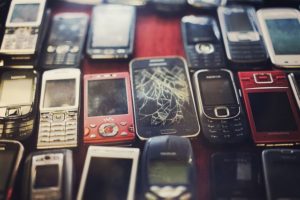 The accumulation of toxic substances emanating from electronic waste can lead to detrimental problems in the human body. Cadmium inhibits your body’s ability to synthesize calcium leading to bone issues while the potentially carcinogenic chromium causes rashes and skin irritation. Excess levels of copper in your bloodstream set the stage for kidney, lungs, liver, and throat infections. You probably didn’t know that lead poisoning is a key contributor to impaired verbal and cognitive activity, while long-term exposure to mercury poses adverse effects to the nervous system.
You might be wondering how humankind comes into contact with e-waste chemicals. There are three main ways: ingestion, inhalation, and skin absorption. Burning electronic products releases detrimental and even carcinogenic fumes into the air. Your skin can also absorb harmful chemicals when it comes into contact with some of the discarded electronics. It’s no surprise that several residents of Guiyu portray a significant share of bone, respiratory, neurological, and digestive issues. Guiyu is the largest electronic waste disposal site in China.
Scientists discuss electronic pollution in two dimensions: biomagnification and bioaccumulation. Bioaccumulation is whereby toxic substances accumulate in the animal and human bodies at a faster rate than they excrete them. When it comes to biomagnification, toxins build up along a particular food chain. For instance, mercury may seep into the ground, finding its way into water bodies where planktons absorb it at low levels. Fishes consume the planktons in large amounts resulting in incredible doses of mercury in their body systems. The problem magnifies when human beings consume mercury-contaminated fish. The toxins can result in long-term disorders as they accumulate in the human body systems.
The pollution also affects land and aquatic animals when they consume contaminated plants. Plants growing on land can also absorb the bioaccumulative chemicals such as lead and mercury when they seep and accumulate in the ground. This will affect not only animals but also mankind.
As you already know now, e-waste poses a severe threat to the environment and human life. This points to the urgent need for organizations and governments to increase awareness of responsible disposal of electronic and electrical equipment as well as implement other measures to counter the growing problem.